Chlorine Residual Testing: Getting Accurate Results Every Time
Chlorine residual is one of your most important operational indicators. Here's how to run accurate tests, troubleshoot low results, and document them properly.
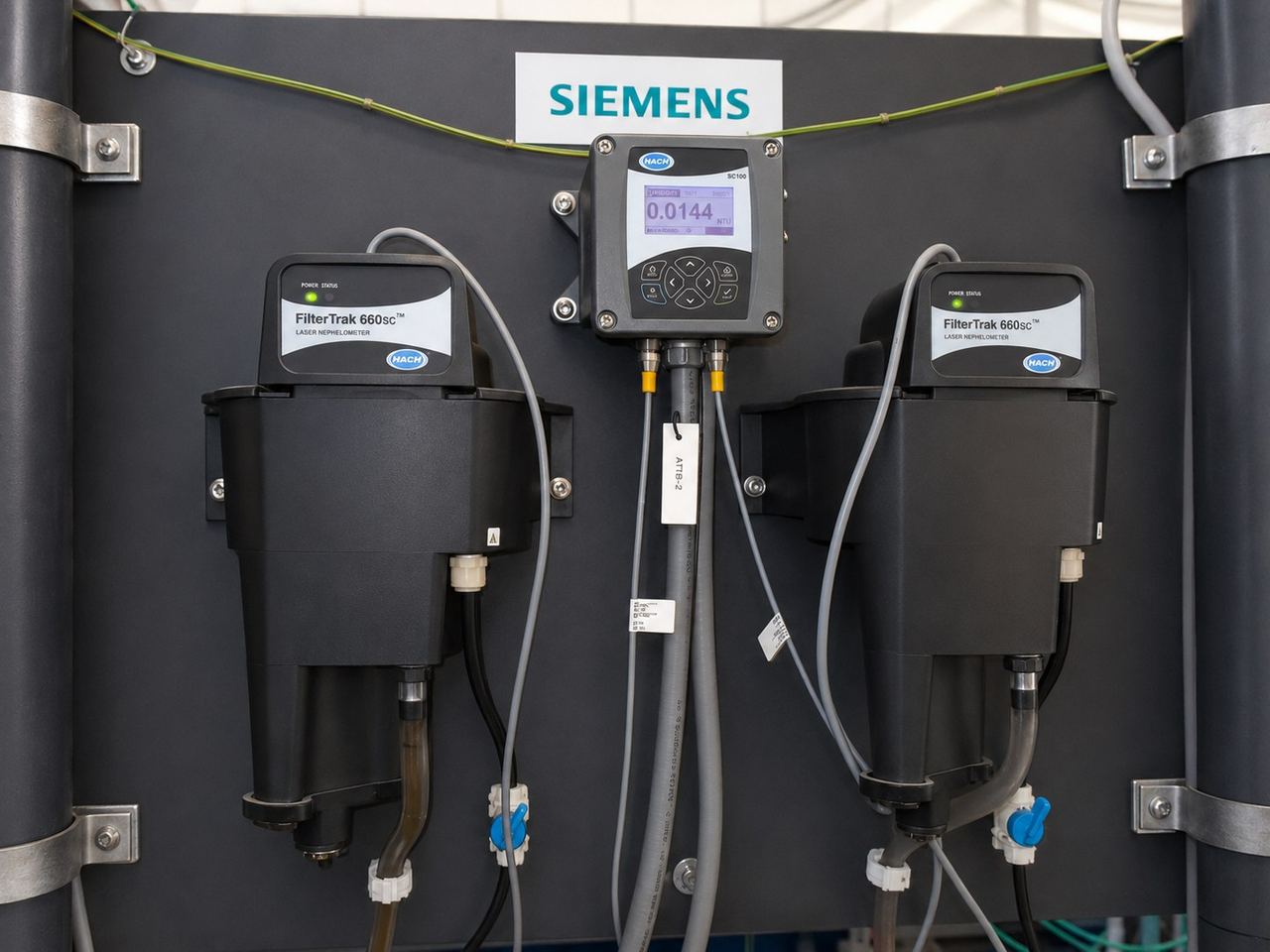
Chlorine residual is the downstream indicator that your disinfection process is working. A distribution system with adequate, consistent residual has a barrier against biological contamination between treatment and the customer's tap. That barrier is the point. Anything that undermines your ability to measure it accurately undermines the value of maintaining it.
DPD vs. Amperometric Testing
Most small systems use DPD colorimetric methods: either a comparator block with liquid reagents or a digital meter. Both work. Digital meters reduce the subjectivity of color comparison and are worth the investment for systems that test frequently or have operators with any degree of color vision variation.
Amperometric titrators are more precise and are the reference method for compliance monitoring in some states. They're less practical for routine field testing.
Whatever method you use, follow the manufacturer's procedure exactly. The most common source of error in field chlorine testing is impatience: not allowing the reagent reaction time to complete, or using reagents that are expired or improperly stored.
Sample Handling
Chlorine dissipates rapidly after sample collection. Test within two minutes of collection. Don't collect samples in metal containers: chlorine reacts with some metals and you'll get a low result. Don't expose your sample to sunlight between collection and testing.
Flush the tap before sampling. The volume needed to flush depends on the service line length, but 30-60 seconds of flow at normal household pressure is the typical guidance. You're trying to get a representative sample of the distribution system water, not stagnant water from the customer's plumbing.
Free vs. Total Chlorine
DPD tests come in free chlorine and total chlorine formulations. Know which one your state requires for compliance monitoring: and know which one you're measuring when you're doing operational testing. Free chlorine is the active disinfectant. Total chlorine includes combined chlorine (chloramines). If your system uses chloramination, total chlorine is your relevant measurement.
Troubleshooting Low Residuals
A distribution system that consistently loses chlorine faster than expected is telling you something. Common causes:
- High organic demand from the source or seasonal events (algae, runoff)
- Dead-end sections with extended detention time
- Leaks drawing outside air or groundwater into the system under pressure fluctuation
- Pipe corrosion creating chlorine demand
- Biofilm accumulation in older unlined pipe
Log your residual results by location and track them over time. A single low result is an operational note. A pattern of low results at specific locations is a system problem that needs investigation.
Documentation Requirements
Most states require chlorine residual monitoring at a frequency tied to system population. Log the date, time, sample location, and result for every test. If you have an analyzer at the plant, back it up with manual readings at distribution points: analyzer readings alone don't demonstrate distribution system residual.
More with similar tags
Cold-Weather Operations: Protecting Your Water System Through Winter
Frozen service lines and burst pipes are expensive and avoidable. A systematic approach to winterization keeps your system running when temperatures drop.
3 min read
Annual Flushing Programs That Actually Work
Main flushing is one of the most effective tools for maintaining distribution water quality: but only if it's done systematically. Here's how to build a program that delivers results.
2 min read
Understanding Pressure Zones in Your Distribution System
Pressure management is one of the most overlooked aspects of small system operation. Here's what you need to know about pressure zones, PRVs, and keeping your system in spec.
2 min readNeed expert help with your water system?
Water Operator Hotline connects small public water systems with experienced water utility professionals who can help you stay compliant, maintain your equipment, and solve problems fast.