Annual Flushing Programs That Actually Work
Main flushing is one of the most effective tools for maintaining distribution water quality: but only if it's done systematically. Here's how to build a program that delivers results.
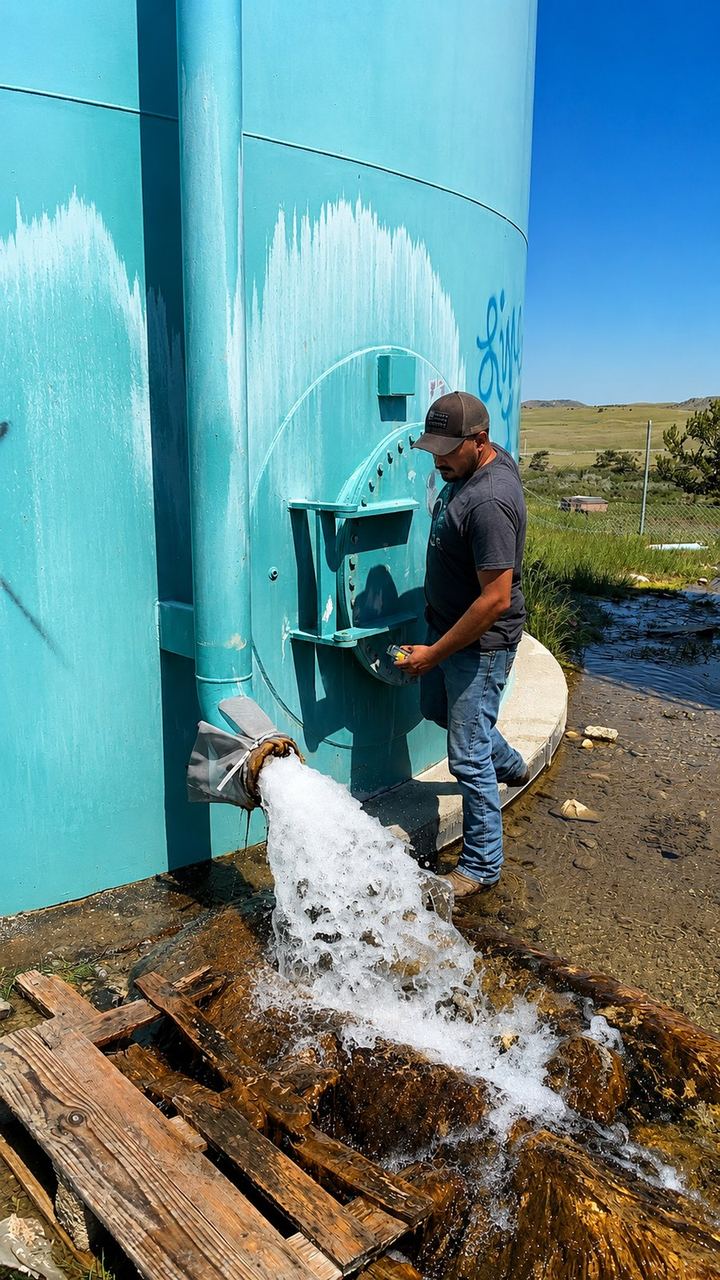
Flushing removes accumulated sediment, reduces water age in dead-end sections, and helps maintain disinfectant residual throughout the distribution system. Done wrong: or done without a plan: it moves material around without removing it, temporarily depressurizes sections of the system, and wastes water. Done right, it's one of the highest-value maintenance activities a small system can perform.
Conventional vs. Unidirectional Flushing
Conventional flushing opens a hydrant or blow-off and runs water until it runs clear or until a target residual is achieved. It's quick, requires minimal planning, and is better than nothing. It's also relatively inefficient: water velocity in the pipes being flushed is low, and you're often just displacing water rather than scouring the pipe walls.
Unidirectional flushing (UDF) systematically isolates sections of the distribution system to create high-velocity flow in a single direction through each pipe. It requires advance hydraulic mapping and valve work, takes longer to plan and execute, and produces dramatically better results. Systems that implement UDF programs typically see measurable improvements in residual maintenance, reduced discoloration complaints, and better bacteria sample results.
For a small system with the staff time to invest, UDF is worth learning. Your state primacy agency may have resources or training available.
Building Your Flushing Map
Start with your distribution system map and mark every fire hydrant, blow-off valve, and dead-end section. Your flushing program should touch every dead-end at least annually. Dead-ends are where water age is highest, residual is lowest, and sediment accumulates fastest.
Note the size of each main feeding each flush point. Minimum flushing velocity in water distribution is typically 2.5 feet per second. You can calculate the flow rate needed to achieve that velocity based on pipe diameter: for a 4-inch main, you need approximately 100 GPM; for a 6-inch main, approximately 220 GPM.
Timing and Frequency
Most small systems flush annually in the spring, after snowmelt and runoff have passed through the system. A second pass in the fall before winter: targeting dead-ends specifically: helps enter the heating season with clean pipe.
Systems with known turbidity issues, chronic discoloration complaints, or older unlined cast iron should flush more frequently. You'll know your system's needs better than any general recommendation.
Customer Notification
Notify customers before you flush their area. Hydrant flushing temporarily reduces pressure, can stir up sediment that reaches service connections, and may cause brief discoloration at the tap. A customer who receives advance notice and turns off laundry and dishwashers during the flush window will have a much better experience than one who discovers discolored water with no context.
Record What You Flush
Log the date, flush location, flow rate, duration, and pre/post residual for every flush event. Over time this becomes your baseline: you'll see which sections respond well and which consistently require extended flushing, which tells you where your water quality problems are concentrated.
More with similar tags
Cold-Weather Operations: Protecting Your Water System Through Winter
Frozen service lines and burst pipes are expensive and avoidable. A systematic approach to winterization keeps your system running when temperatures drop.
3 min read
Chlorine Residual Testing: Getting Accurate Results Every Time
Chlorine residual is one of your most important operational indicators. Here's how to run accurate tests, troubleshoot low results, and document them properly.
2 min read
Understanding Pressure Zones in Your Distribution System
Pressure management is one of the most overlooked aspects of small system operation. Here's what you need to know about pressure zones, PRVs, and keeping your system in spec.
2 min readNeed expert help with your water system?
Water Operator Hotline connects small public water systems with experienced water utility professionals who can help you stay compliant, maintain your equipment, and solve problems fast.