How to Prepare for a Sanitary Survey
Sanitary surveys happen on a defined schedule: every three to five years for most community water systems, every five years for groundwater systems that meet certain criteria. You know they're…
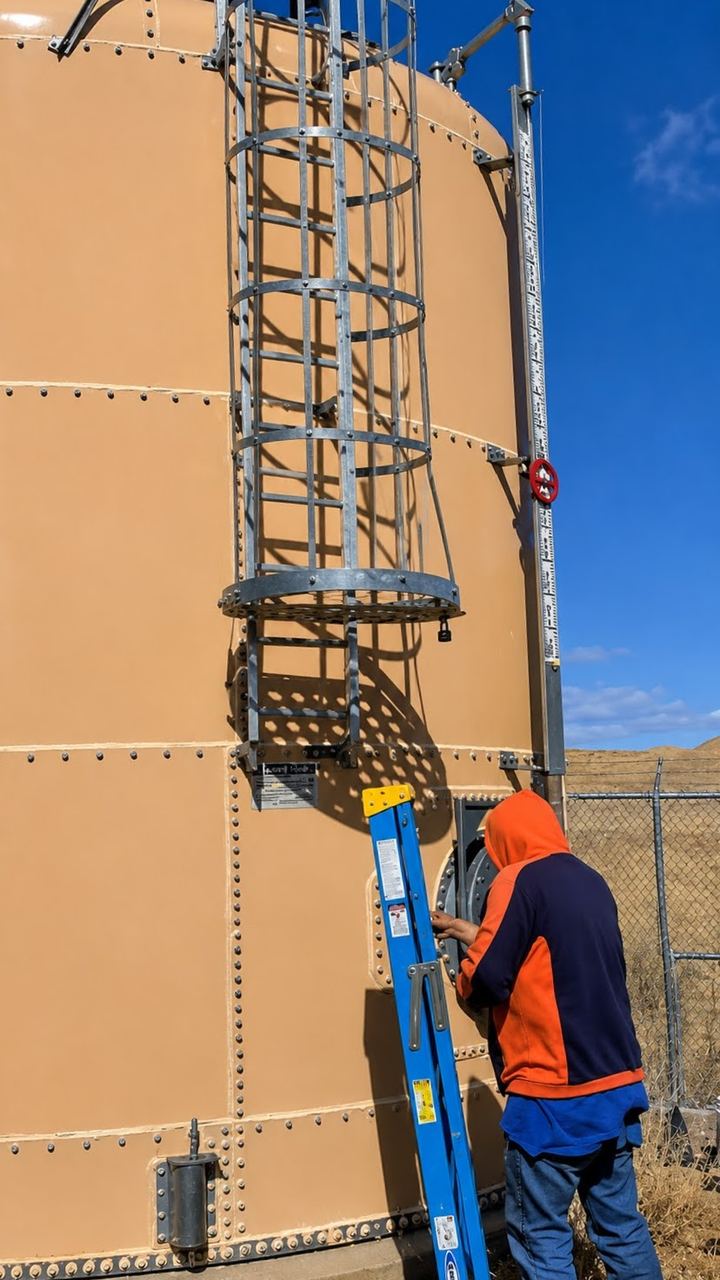
Sanitary surveys happen on a defined schedule: every three to five years for most community water systems, every five years for groundwater systems that meet certain criteria. You know they're coming. And yet most operators describe them as stressful.
The reason isn't usually ignorance. It's paperwork. Specifically, the gap between what your system actually does and what you can prove on paper that your system does.
What Surveyors Are Actually Looking For
State primacy agencies conduct sanitary surveys to evaluate eight components defined by EPA: source, treatment, distribution system, finished water storage, pumps and pumping facilities, monitoring and reporting, system management and operation, and operator compliance.
That sounds comprehensive: because it is. But the single most common finding in surveys of small public water systems isn't a technical deficiency. It's missing or incomplete records.
Start With Your O&M Manual
If your operations and maintenance manual is more than five years old, update it before your survey. It should reflect your current source, treatment process, and distribution layout. A surveyor who walks into a facility that doesn't match the documentation is going to ask questions you don't want to answer under pressure.
Update your as-built drawings if anything has changed. Add your current chemical feed settings. Document your emergency response procedures even if they feel obvious. The manual should function as a complete handoff document: as if you were training someone to run your system from scratch.
Pull 12 Months of Records
Get your monitoring records, chlorine residual logs, bacteria sample results, and any consumer notifications from the past 12 months organized in one place before your survey date. Surveyors will ask for these. If you're hunting through binders mid-interview, it signals that your day-to-day record-keeping is disorganized even if the records themselves are complete.
Specifically look for:
- Any missed monitoring events and the reason they were missed
- Any sample results that triggered a repeat sample requirement
- Public notification records if you had any violation
- Backflow prevention device test records
- Storage facility inspection logs
Walk the System Before They Do
Do a complete visual inspection of your own facility one to two weeks before a scheduled survey. Check for physical deficiencies that have been on the back burner: a damaged hatch, missing locks, a pump seal that's been seeping. Minor issues caught and corrected before the survey are far better than findings that generate a formal compliance schedule.
Pay specific attention to your wellhead or source area. Surveyors spend significant time on source protection. Check that the required setback distances from potential contamination sources are maintained. Verify your well casing is intact and the sanitary seal is in good condition.
Have Your Operator Certification Current
This sounds basic, but certification lapses are a consistent sanitary survey finding. Verify your current certification grade matches or exceeds your system's classification. If continuing education credits are due in the next six months, complete them before the survey so your record is clean.
After the Survey
You'll receive a report with findings categorized as significant deficiencies, deficiencies, or recommendations. Significant deficiencies require a response within a specified timeframe. Build a corrective action log and start working down the list immediately. Surveyors at your next cycle will check whether previous findings were addressed.
A sanitary survey doesn't have to be a high-stress event. Operators who treat recordkeeping as a daily habit rather than a pre-survey scramble almost always come out of it in good standing.
More with similar tags
Need expert help with your water system?
Water Operator Hotline connects small public water systems with experienced water utility professionals who can help you stay compliant, maintain your equipment, and solve problems fast.