Well Pump Troubleshooting for Small Water Systems
A pump that won't start, won't keep pressure, or runs constantly is telling you something. Here's a systematic approach to diagnosing the most common well pump problems.
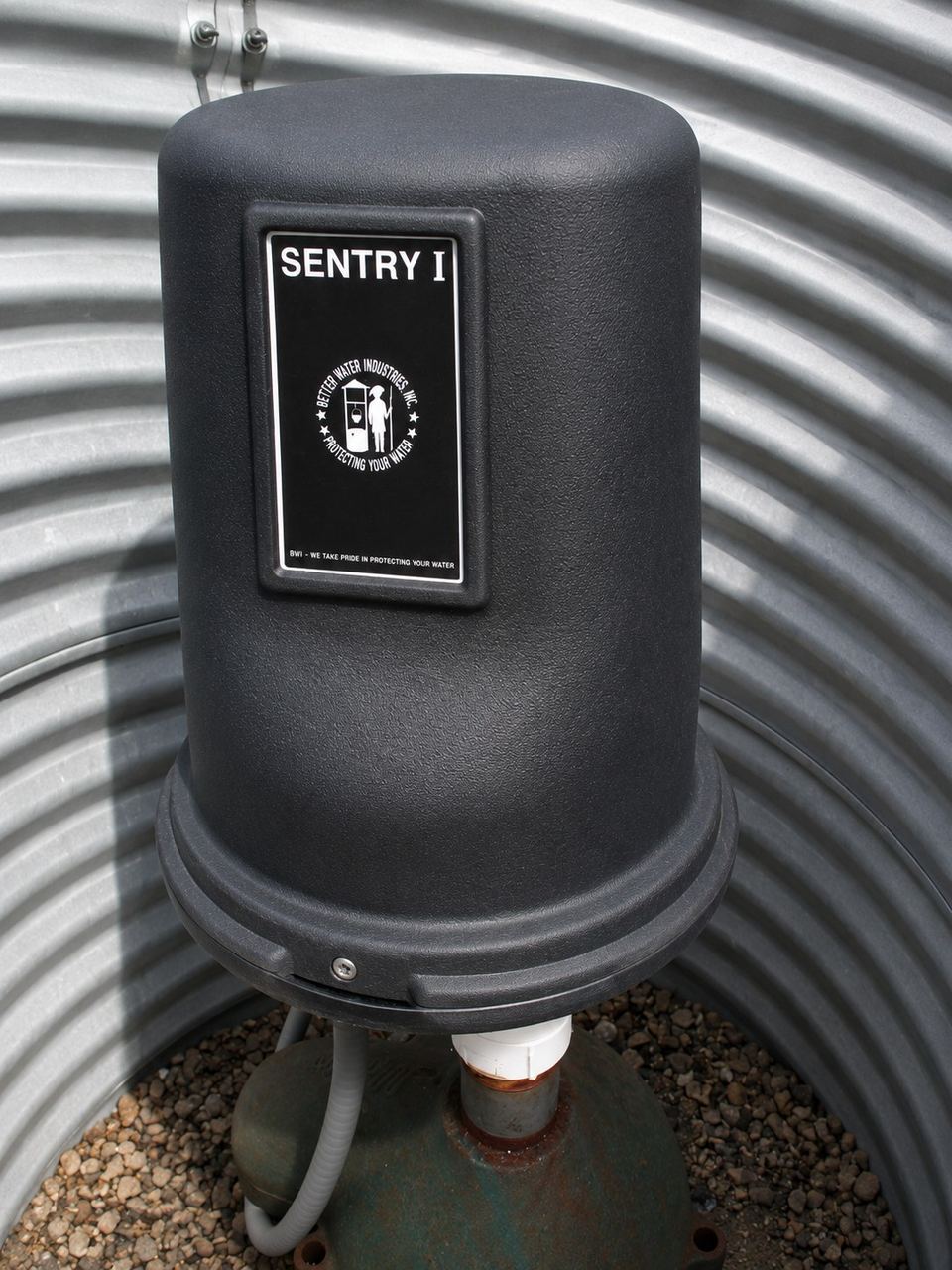
Well pump failures in small public water systems range from nuisances to emergencies depending on system storage capacity and demand. The faster you can identify what's wrong, the faster you can get water back to your customers. A systematic diagnostic approach beats guessing.
Pump Won't Start
Before assuming a pump failure, check the basics. Is power reaching the panel? Check the main breaker and any sub-panel breakers. Is the pump's circuit breaker tripped? If it tripped, reset it once: if it trips again immediately, stop and investigate before resetting again. A breaker that trips repeatedly is protecting you from something.
Check your pressure switch contacts. Over time the contacts inside a pressure switch corrode or get coated with minerals and fail to close reliably. You can test this with a multimeter: confirm 120 or 240 volts is reaching the switch and that continuity exists when the switch is in the closed position.
If voltage is reaching the motor and it won't start, the problem is likely the motor, start capacitor (on single-phase motors), or the pump itself is mechanically bound. On submersible pumps, a motor that hums but won't start often indicates a seized pump or a failed capacitor.
Pump Runs But Doesn't Build Pressure
If the pump runs but system pressure doesn't come up, or comes up slowly, the cause is usually one of three things: a worn pump impeller/stage assembly, an air leak on the suction side (for surface pumps), or a dropped water level affecting a submersible pump.
Check your static water level against your historical baseline. If the water level has dropped significantly, the pump may be cavitating or running in air intermittently. This is a well yield problem, not necessarily a pump problem: but cavitation damage will eventually make it a pump problem.
For surface pumps, check all fittings and connections on the suction side for air leaks. A small air leak that's hard to see at rest becomes obvious when you put soapy water on fittings during operation.
Pump Short-Cycles
Short-cycling: the pump turns on and off rapidly under normal demand: almost always indicates a waterlogged pressure tank. The air charge in the tank has been absorbed into the water, leaving no air cushion. The pump runs, pressure hits the cut-off immediately, and the cycle starts again.
Drain the pressure tank completely, let the pressure equalize, and check the air charge at the Schrader valve. The pre-charge should be set to 2 PSI below your cut-in pressure (typically 38 PSI for a 40-60 system). If the bladder or diaphragm in the tank is damaged, you'll get water out of the Schrader valve when the tank is pressurized: the tank needs to be replaced.
Pump Runs Continuously
A pump that runs without cycling off usually means one of two things: demand exceeds pump output, or there's a leak in the system large enough to prevent the system from reaching cut-off pressure. Check for any open draw-off valves, running customers, or unusual demand before assuming a system leak. If demand looks normal, you have a leak until proven otherwise. Check your blow-offs, hydrants, tank overflow, and any known problematic services.
Documentation
Log pump starts, runtime hours, and any unusual observations. Total runtime hours are your most reliable predictor of maintenance needs: most submersible pump manufacturers rate motors in operating hours, and runtime data tells you where you are relative to expected service life.
More with similar tags

Need expert help with your water system?
Water Operator Hotline connects small public water systems with experienced water utility professionals who can help you stay compliant, maintain your equipment, and solve problems fast.