Cold-Weather Operations: Protecting Your Water System Through Winter
Frozen service lines and burst pipes are expensive and avoidable. A systematic approach to winterization keeps your system running when temperatures drop.
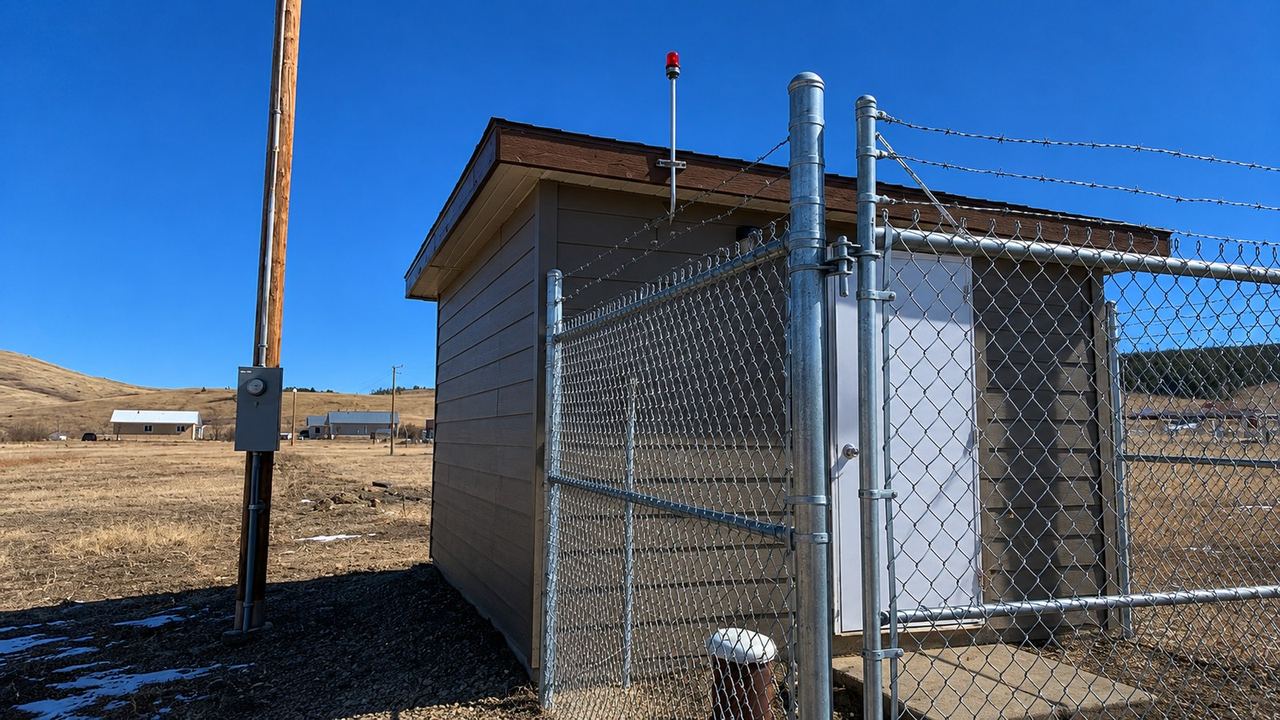
A service line freeze is a bad day for everyone. The customer is without water, you're dispatching crew in the cold, and there's a reasonable chance the repair will take equipment rental and several hours. Most cold-weather failures are preventable with preparation done in the fall, before temperatures drop.
Start With Your Vulnerability Map
Not all parts of your system are equally at risk. Service lines in shallow soil, piping in unheated pump houses, exposed above-ground sections, and connections to structures that are seasonally unoccupied are your highest risk points. Before the first hard freeze, walk or drive your system and note every location where you've had a freeze in the past or where exposure conditions make one likely.
This becomes your winterization checklist. Every item on it gets addressed before freeze season, and every item gets verified again mid-winter.
Pump Houses and Treatment Facilities
The heating system in your pump house is not a set-it-and-forget-it item. Inspect it in October. Check the thermostat setting: 45°F minimum is the standard recommendation, though some operators prefer 55°F for facilities with larger chemical storage. Verify that the thermostat is actually connected and functioning, not just displayed. Backup heat sources: electric space heaters on a separate circuit: are worth the cost.
Pipe insulation in a heated facility still matters. If your heating fails during a cold snap before you can respond, insulation buys time. Focus on piping near exterior walls and any section within 12 inches of a door or window.
Blowouts and Drainage
Any section of piping that can't be kept above freezing and can't be continuously flowing needs to be drained for the winter. This includes irrigation connections, outdoor hose bibs, and any piping serving seasonal facilities.
Follow your state's guidance on blowout procedures. Compressed air purges work well for buried lines when done correctly. Valves that are left cracked open: the old trick for keeping a slow drip running: should be avoided in distribution systems because they create contamination risk at the point of discharge.
Meters
Meter boxes are a common freeze point, particularly older boxes without adequate insulation. Walk your meter set areas and look for cracked or missing lids, missing insulation pads, and boxes that have filled with debris. A meter that freezes and cracks creates a leak that won't be obvious until spring.
During Extended Cold Events
When a multi-day cold event is forecast, increase your system monitoring frequency. Check tank levels more often: freeze-related failures in distribution create demand spikes that won't be obvious until a customer calls. Verify your low-pressure alarms are operational.
Consider a customer notification for extended cold events. A simple advisory reminding customers to let a cold-water faucet drip overnight and to know where their shut-off valve is reduces the number of calls you'll receive and prevents some of the interior plumbing failures that customers attribute to the water system.
Documentation
Log your winterization activities and any cold-weather related failures each year. Over three or four years this becomes useful data: you'll see patterns in which locations fail first and under what temperature conditions. That information drives better preventive investment than any general recommendation.
More with similar tags
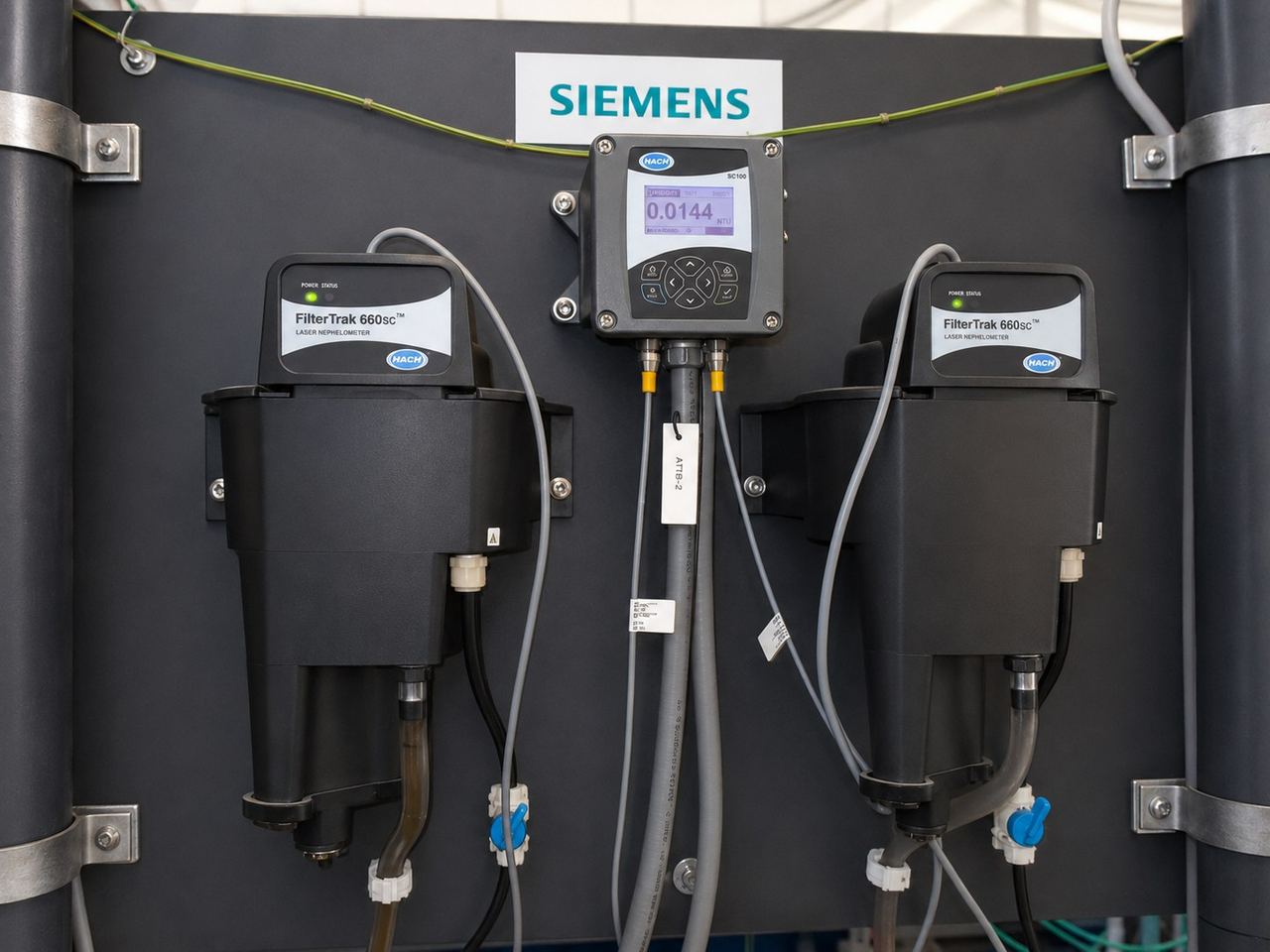
Chlorine Residual Testing: Getting Accurate Results Every Time
Chlorine residual is one of your most important operational indicators. Here's how to run accurate tests, troubleshoot low results, and document them properly.
2 min read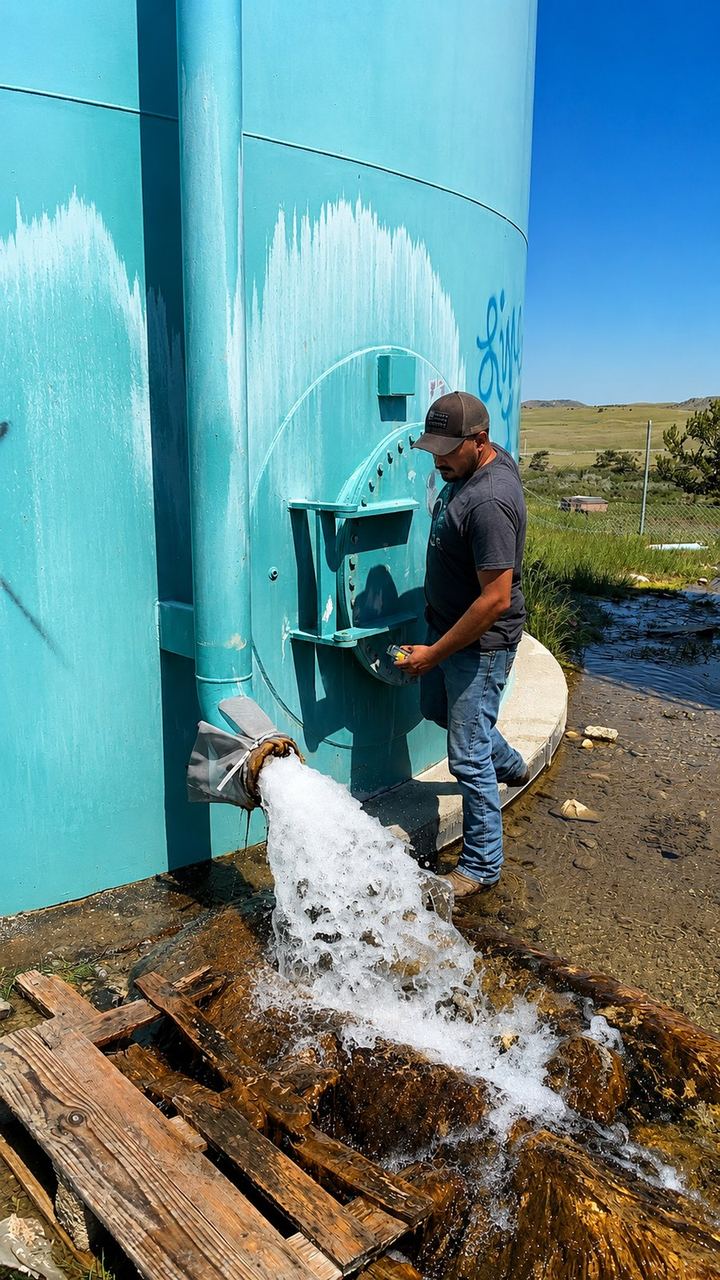
Annual Flushing Programs That Actually Work
Main flushing is one of the most effective tools for maintaining distribution water quality: but only if it's done systematically. Here's how to build a program that delivers results.
2 min read
Understanding Pressure Zones in Your Distribution System
Pressure management is one of the most overlooked aspects of small system operation. Here's what you need to know about pressure zones, PRVs, and keeping your system in spec.
2 min readNeed expert help with your water system?
Water Operator Hotline connects small public water systems with experienced water utility professionals who can help you stay compliant, maintain your equipment, and solve problems fast.