WOH Consulting Engineer Guide
Guide for water system operators and boards on selecting a consulting engineer, staying involved in design and construction phases, and ensuring facilities are built to support reliable operation and maintenance by their teams.
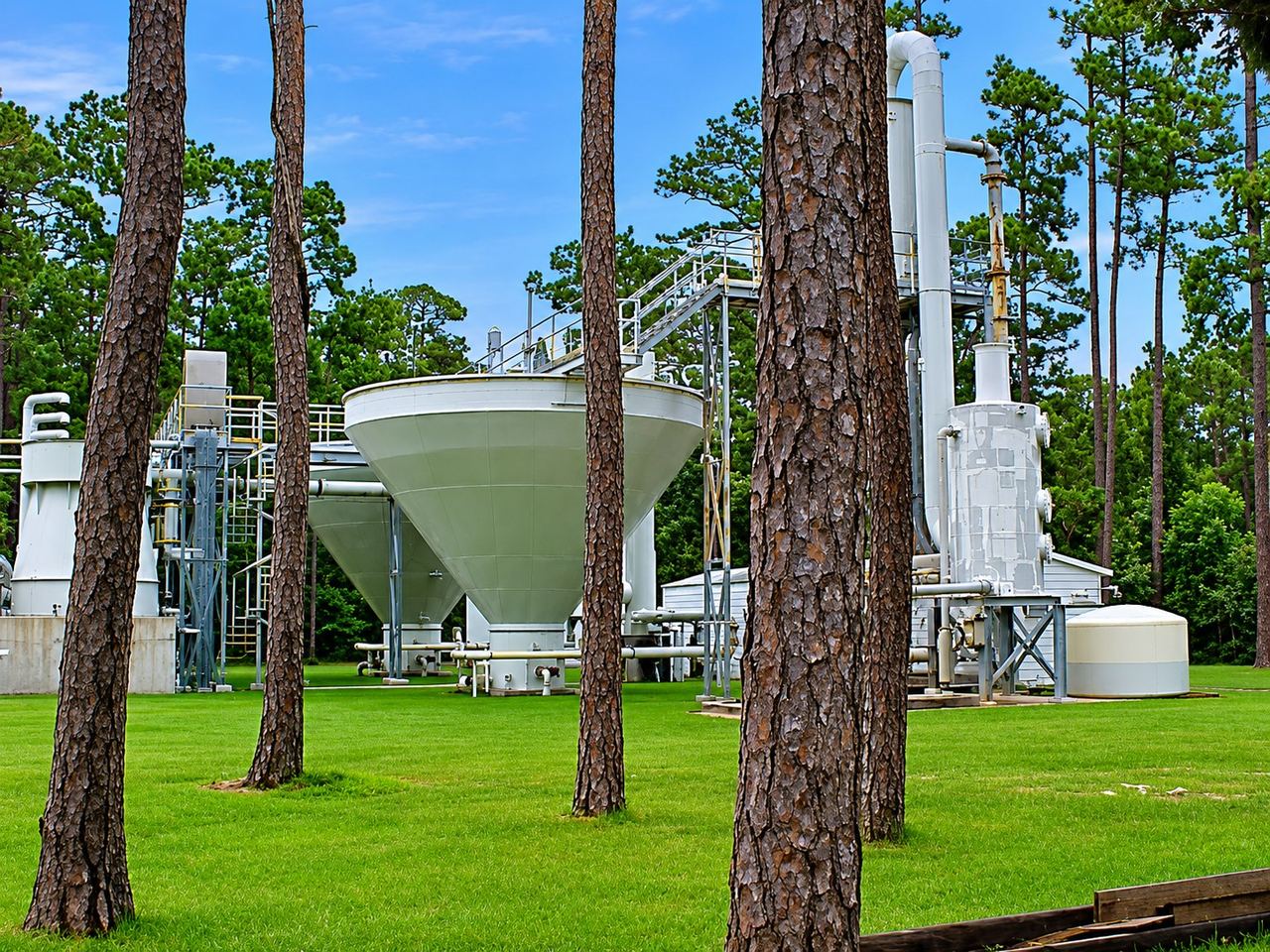
Selecting a consulting engineer is one of the most consequential decisions a water system makes—the engineer's design will determine whether a facility operates reliably and can be maintained by your staff for the next 20 to 50 years. A poorly matched engineer can deliver a facility that is overly complex, difficult to maintain, or built out of spec. Small systems with part-time or volunteer operators are especially vulnerable when an engineer designs for a large utility's sophistication level rather than for the people who will actually run it every day. The right engineer understands your operational capacity and involves operators early in design.
Consulting engineers typically work through three phases: planning (feasibility studies and preliminary engineering reports), design (construction drawings and specifications), and construction services (oversight and certification that the work matches approved plans). The design phase is most critical for operator input—changes on paper cost nothing, but changes after construction begins are expensive. Construction oversight is not optional; it ensures the contractor builds what was actually designed. At project closeout, the engineer must provide as-built drawings and equipment manuals, which are permanent records essential for future maintenance and emergencies.
Use a qualifications-based selection process, not lowest-price bidding. Document your project scope clearly, solicit proposals from at least three to five firms with relevant experience, and evaluate them against written criteria before discussing fees. Interview the top-ranked firms and include your operator in every interview—their perspective on how an engineer listens and communicates is as important as technical credentials. Sources for identifying qualified firms include your state rural water association, the state primacy agency's approved engineer list, USDA Rural Development recommendations, peer referrals, and professional directories such as ACEC state chapters.
Source document
WOH_Consulting_Engineer_Guide.pdf
application/pdf · 58.2 KB
Become a member to view the full 28 min readNeed expert help with your water system?
Water Operator Hotline connects small public water systems with experienced water utility professionals who can help you stay compliant, maintain your equipment, and solve problems fast.