WOH Nitrate Sample Collection Guide
This guide covers nitrate monitoring requirements for small and medium drinking water systems under 40 CFR 141.23, including sampling locations, bottle types, collection procedures, hold times, and how to avoid errors that invalidate results.
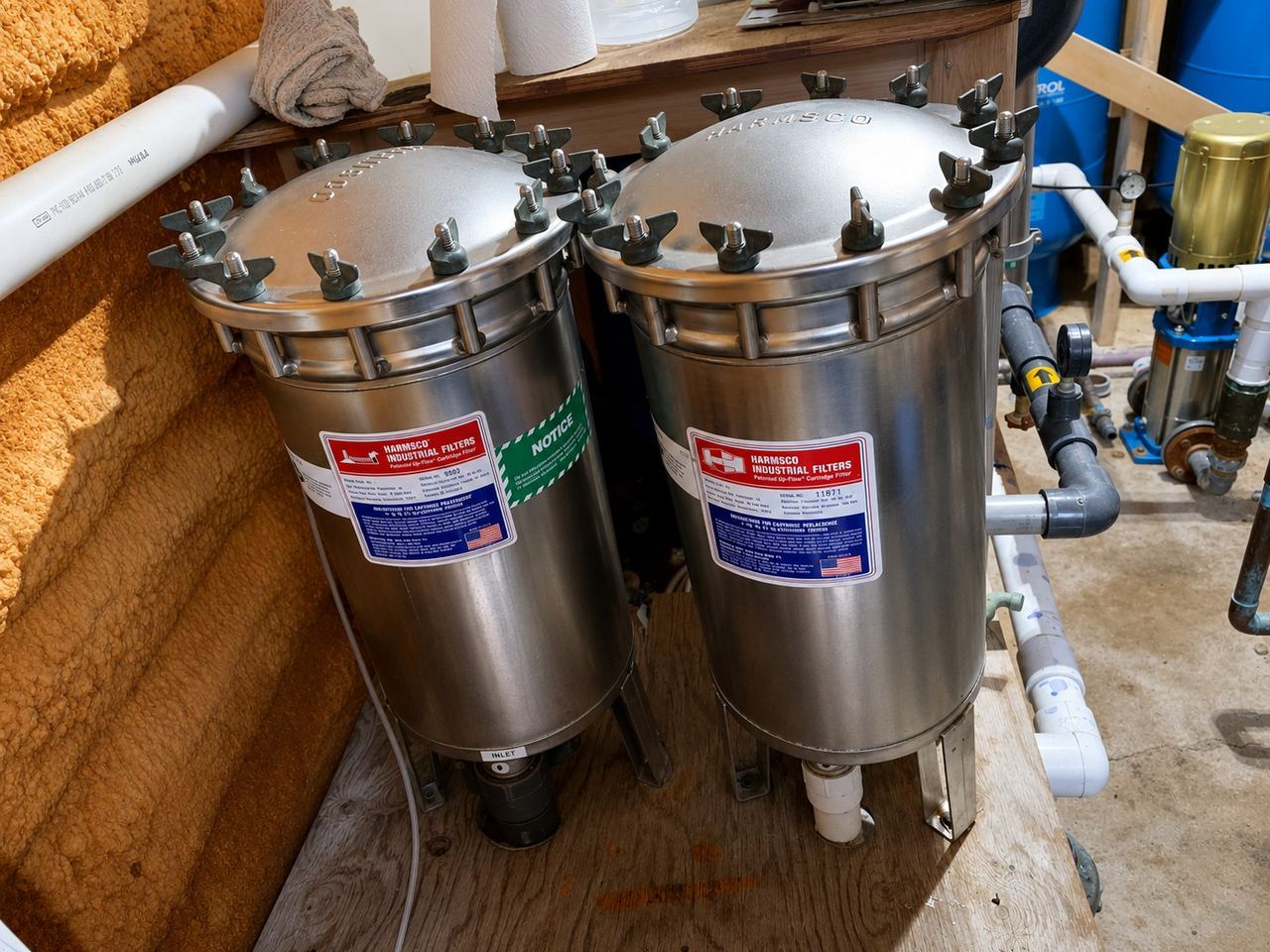
Nitrate enters drinking water through agricultural runoff, septic leachate, and natural weathering of rock. At concentrations at or above 10 mg/L (the maximum contaminant level), nitrate is a violation requiring immediate public notification and state reporting. Infants under six months are at highest risk for methemoglobinemia (blue baby syndrome). All community water systems and non-transient non-community systems must sample at each entry point to the distribution system — the tap or port immediately after treatment and before water enters the pipes.
Samples must be collected from dedicated sample ports or taps on the discharge side of treatment equipment, upstream of any distribution connections. Do not sample from distribution system taps, as they do not represent source water quality. If your system has multiple wells feeding the distribution system independently, collect one sample from each well's entry point. If sources are blended continuously before entering the distribution system, you may collect a single blended sample with state approval.
Use plastic (HDPE) or glass bottles cooled to 4°C or below. If the laboratory analyzes for both nitrate and nitrite together, do not add sulfuric acid preservative — acid destroys nitrite. Unpreserved samples have a 48-hour hold time; if preserved with sulfuric acid to pH less than 2, hold time extends to 28 days. Contact your laboratory before sampling to obtain appropriate pre-labeled containers and confirm preservation requirements.
Flush the line at the sample tap before collection to ensure the sample represents actual source water, not stagnant water in the service line or treatment equipment. Monitoring frequency ranges from annually to quarterly depending on system type, source type, and previous results. Systems with results at or above 5 mg/L (50% of the MCL) must increase sampling to quarterly frequency until results drop below 5 mg/L.
Source document
WOH_Nitrate_Sample_Collection_Guide.pdf
application/pdf · 64.6 KB
Become a member to view the full 16 min readNeed expert help with your water system?
Water Operator Hotline connects small public water systems with experienced water utility professionals who can help you stay compliant, maintain your equipment, and solve problems fast.