WOH Booster Pump Guide
Centrifugal booster pumps increase water pressure to serve higher-elevation areas or zones with greater demand. This guide covers pump operation, pressure control, maintenance, and troubleshooting for drinking water system operators.
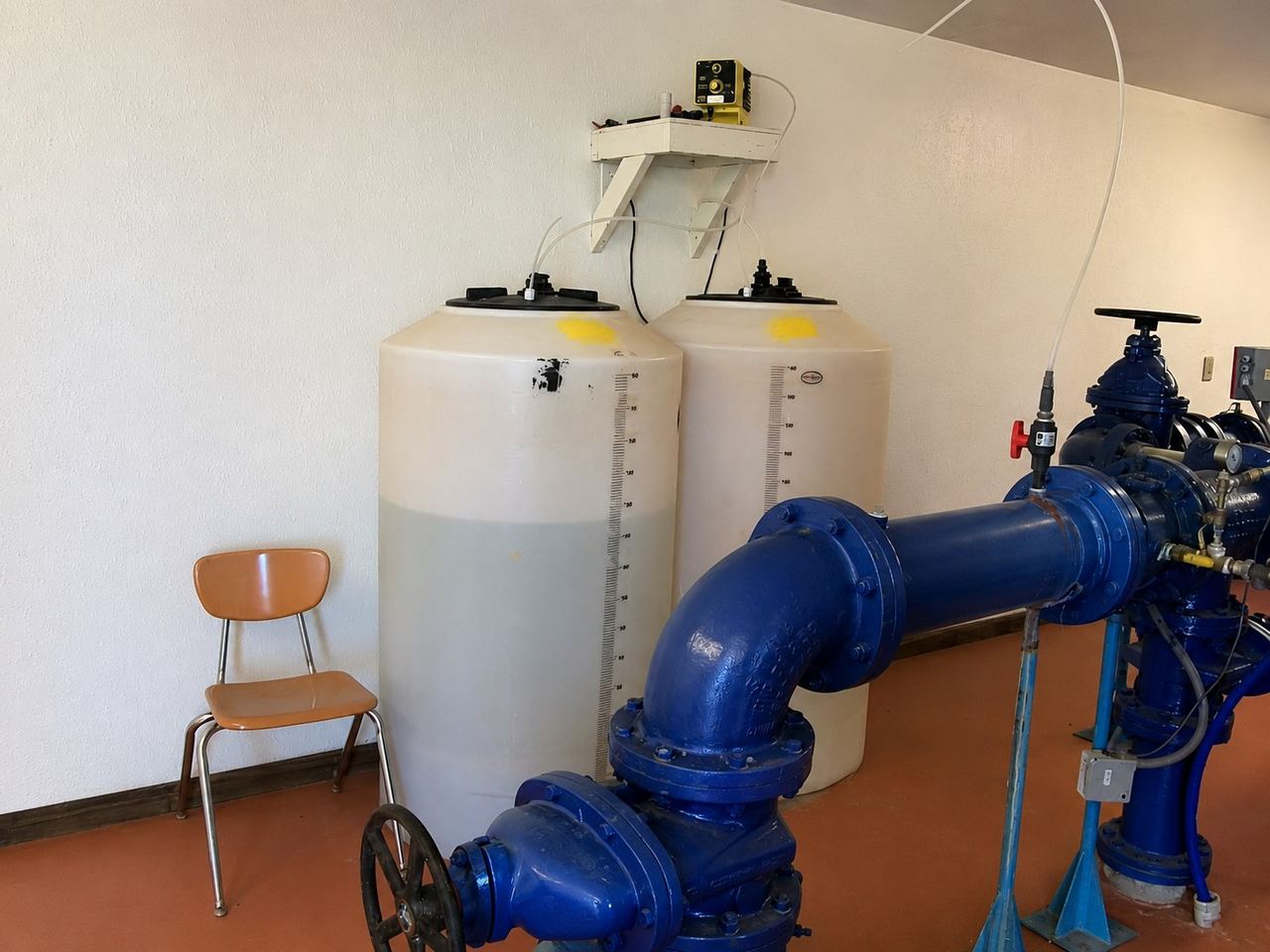
A centrifugal booster pump converts motor rotational energy into water pressure by spinning an impeller that forces water outward into a volute casing. Pressure output depends on impeller speed and diameter, not flow restriction. Unlike positive-displacement pumps, centrifugal pumps can be deadheaded without immediate damage, but prolonged deadheading overheats water and damages the mechanical seal.
Key operational measurements include suction and discharge pressure — operators should track the differential pressure (discharge minus suction) and compare it to the pump curve at known flow rates to confirm proper performance. Most booster stations use a pressure switch or transducer to start and stop the pump based on system demand. If a variable frequency drive (VFD) is installed, it maintains constant discharge pressure across varying flow rates and reduces energy use and pressure surges.
Critical maintenance tasks include lubricating motor and pump bearings on schedule (avoiding over-greasing), inspecting and replacing the mechanical seal annually or immediately if leaking, and checking pump-to-motor shaft alignment within manufacturer tolerances. Always verify the pump is primed with water before starting to prevent seal damage. Worn impellers, wear rings, and damaged casings reduce flow and pressure; inspect these components whenever the pump is opened for service.
Common troubleshooting points: thermal overload trips indicate the motor is drawing excessive current — investigate before resetting. A failed discharge check valve causes immediate pressure drop when the pump stops. Partially closed suction or discharge isolation valves reduce available pressure or flow; both must be fully open during operation. Cavitation (a sign of low suction pressure or air) damages the impeller and mechanical seal.
Source document
WOH_Booster_Pump_Guide.pdf
application/pdf · 66.5 KB
Become a member to view the full 31 min readMore with similar tags

Storage Tank Inspection: What to Look For and When to Act
Your storage tanks are one of the most vulnerable points in your distribution system. A systematic inspection approach catches problems before they become violations.
2 min read
Well Pump Troubleshooting for Small Water Systems
A pump that won't start, won't keep pressure, or runs constantly is telling you something. Here's a systematic approach to diagnosing the most common well pump problems.
3 min readNeed expert help with your water system?
Water Operator Hotline connects small public water systems with experienced water utility professionals who can help you stay compliant, maintain your equipment, and solve problems fast.