WOH DBP Sample Siting Plan Guide
This guide explains how to identify, document, and maintain DBP monitoring locations under the Stage 2 Disinfectants and Disinfection Byproducts Rule. It covers the IDSE process, location selection criteria, and required plan elements for community water systems and non-transient non-community water systems that add disinfectants.
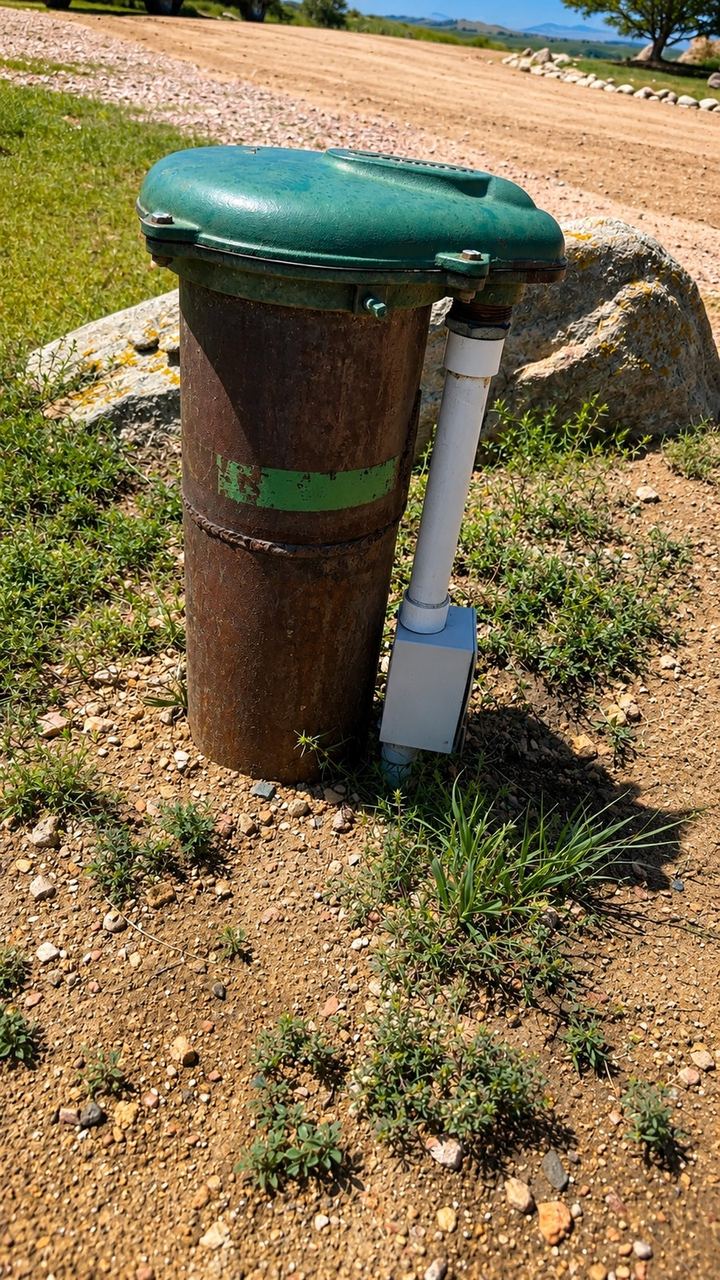
Under Stage 2 DBPR (40 CFR Part 141, Subpart V), every community water system and non-transient non-community water system that adds a disinfectant must identify and document approved monitoring locations for Total Trihalomethanes (TTHM) and Haloacetic Acids (HAA5). Stage 2 requires compliance at each individual location using a Locational Running Annual Average (LRAA), not a system-wide average. This means a high-DBP location cannot be offset by lower results elsewhere—each designated monitoring point must independently meet MCLs of 0.080 mg/L for TTHM and 0.060 mg/L for HAA5.
Most systems completed a one-time Initial Distribution System Evaluation (IDSE) to identify high-DBP locations. The IDSE used four pathways: Standard Monitoring (quarterly sampling at candidate sites), System-Specific Study (hydraulic modeling or water quality studies), 40/30 Certification (if all prior results were below thresholds), or Very Small System Waivers. Once the state approved IDSE locations, those sites are fixed and documented in the DBP Sample Siting Plan unless the state approves a change.
Monitoring locations must be at customer cold-water taps in the distribution system—not at entry points, treatment plants, pump stations, or storage tank outlets. Priority locations are those with high water age (far from treatment, at main ends, or in low-demand zones), high disinfectant demand (older pipes, high organic loading), and taps that collectively represent different pressure zones and water quality conditions. Taps downstream of point-of-use treatment devices like activated carbon filters or softeners do not qualify.
To change an approved monitoring location, submit a written request to your state primacy agency with justification—such as water quality data or system changes—explaining why the existing location no longer works and proposing a replacement. Continue sampling at the current location until the state approves the substitution. The written DBP Sample Siting Plan must document system identification and sufficient detail for the state to verify monitoring is occurring at the correct approved locations.
Source document
WOH_DBP_Sample_Siting_Plan_Guide.pdf
application/pdf · 66.7 KB
Become a member to view the full 16 min readMore with similar tags
How to Prepare for a Sanitary Survey
Sanitary surveys happen on a defined schedule: every three to five years for most community water systems, every five years for groundwater systems that meet certain criteria. You know they're…
3 min read
Consumer Confidence Reports: What Your Customers Actually Want to Know
Your CCR is a legal requirement. It's also your best opportunity to build trust with the people who drink your water. Here's how to write one that does both.
3 min readNeed expert help with your water system?
Water Operator Hotline connects small public water systems with experienced water utility professionals who can help you stay compliant, maintain your equipment, and solve problems fast.