WOH Drinking Water Standards Reference
EPA-regulated drinking water standards reference covering all primary and secondary contaminants, MCLs, MCLGs, health effects, and common sources. Operators use this to verify compliance limits and understand contaminant sources.
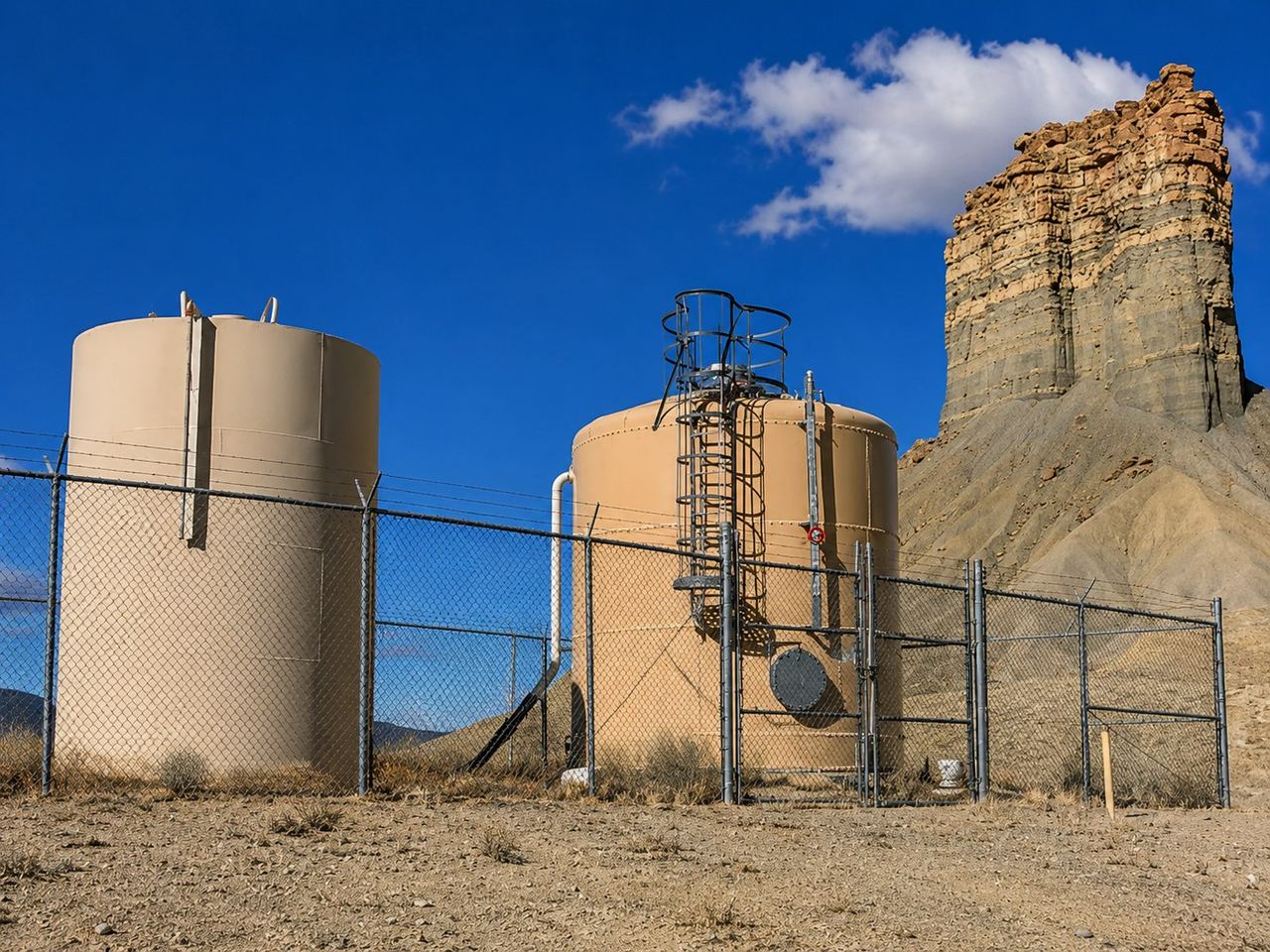
The Safe Drinking Water Act requires EPA to set two types of standards: National Primary Drinking Water Regulations (NPDWRs) are legally enforceable and protect public health; National Secondary Drinking Water Regulations (NSDWRs) are non-enforceable guidelines addressing taste, odor, and color. Understanding the difference between MCLG (Maximum Contaminant Level Goal—a non-enforceable health target) and MCL (Maximum Contaminant Level—the enforceable limit) is essential for compliance. Treatment Technique (TT) standards apply when direct measurement is not economically or technically feasible.
Microbiological contaminants like Cryptosporidium, Giardia, and total coliforms indicate whether treatment is effective and other pathogens may be present. Disinfectants including chlorine, chloramines, and chlorine dioxide have maximum residual levels (MRDL) to control microbial growth while limiting exposure. Disinfection byproducts such as trihalomethanes (TTHM) and haloacetic acids (HAA5) form when chlorine reacts with organic matter and require monitoring and control.
Inorganic chemicals including lead, arsenic, nitrate, and copper have specific MCLs tied to their health effects. Lead and copper use Action Levels (AL) based on the 90th percentile of tap samples rather than direct MCLs. All standards listed are current as of early 2026, but operators must verify limits at epa.gov/dwreginfo before making compliance decisions, as standards are subject to revision.
Source document
WOH_Drinking_Water_Standards_Reference.pdf
application/pdf · 75.0 KB
Become a member to view the full 17 min readMore with similar tags
How to Prepare for a Sanitary Survey
Sanitary surveys happen on a defined schedule: every three to five years for most community water systems, every five years for groundwater systems that meet certain criteria. You know they're…
3 min read
Consumer Confidence Reports: What Your Customers Actually Want to Know
Your CCR is a legal requirement. It's also your best opportunity to build trust with the people who drink your water. Here's how to write one that does both.
3 min readNeed expert help with your water system?
Water Operator Hotline connects small public water systems with experienced water utility professionals who can help you stay compliant, maintain your equipment, and solve problems fast.