WOH Lead Copper Inorganic Sampling Guide
Guidance for collecting inorganic chemical (IOC) and lead/copper samples at entry points and customer taps under federal drinking water regulations. Covers bottle types, hold times, flushing protocols, and the critical difference that lead/copper samples must never be flushed before collection.
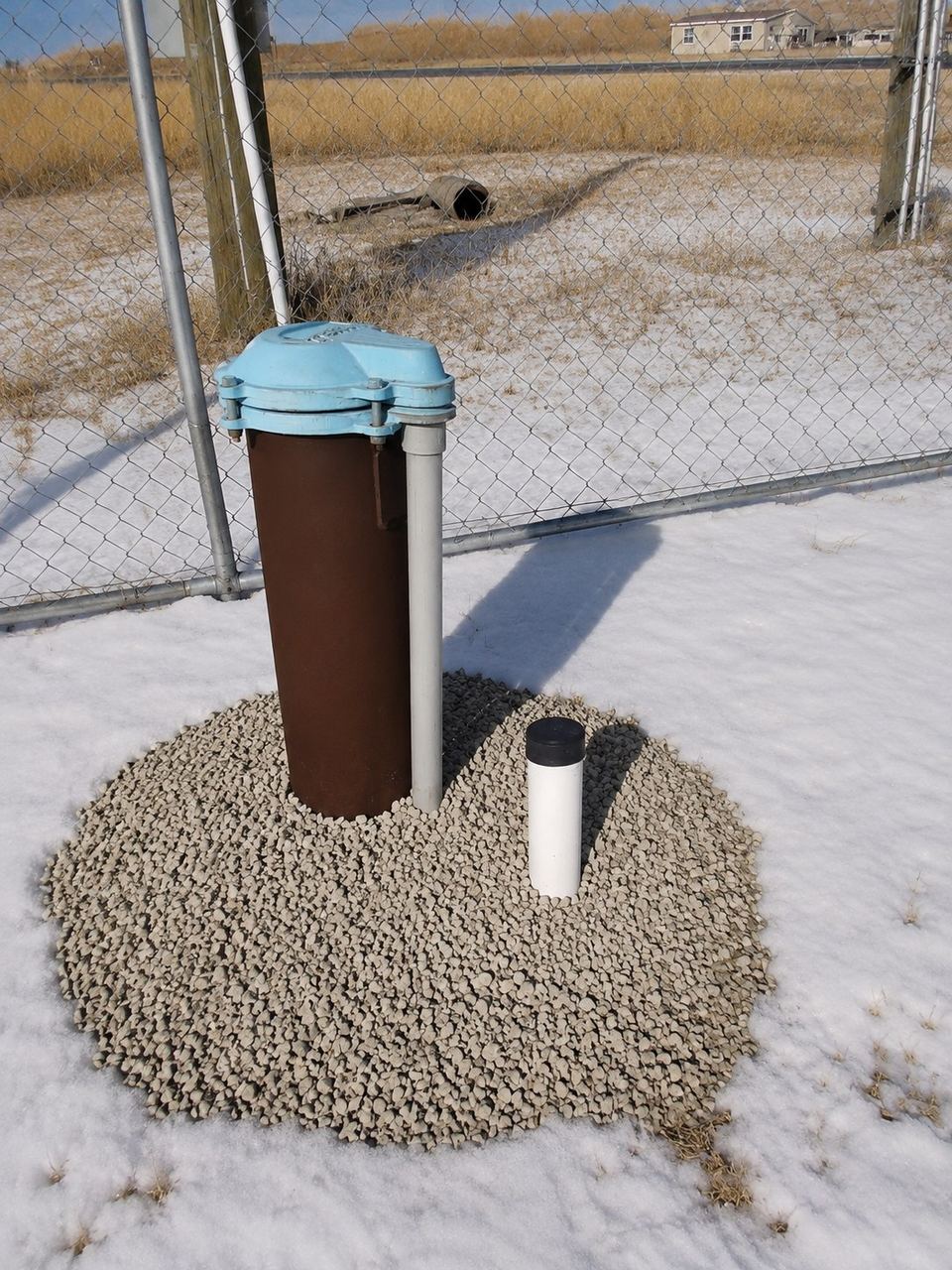
IOC and lead/copper sampling follow separate protocols and must not be confused. IOC samples are collected at the entry point to the distribution system after treatment, require 2–3 minutes of flushing before collection, and use acid-washed polyethylene or glass bottles with nitric acid preservative. Lead and copper samples are collected at customer taps using a first-draw protocol—the tap must not be flushed and must not have been used for at least 6 hours before sampling. Flushing a lead/copper sample invalidates it because the test depends on water that has sat stagnant in contact with plumbing materials.
IOC parameters include arsenic, barium, chromium, fluoride, mercury, selenium, and others, each with its own MCL. All community water systems and non-transient non-community systems must monitor for IOCs annually or every 3 years (waivers may apply based on source vulnerability), and samples must be kept at or below 4 °C with a 6-month hold time. Lead and copper action levels are 0.015 mg/L and 1.3 mg/L respectively; these also use 6-month hold times and must be chilled, but the sample bottle is a 1-liter wide-mouth polyethylene container supplied by the lab with no added acid preservative.
Before collecting any sample, assemble equipment in advance, confirm the correct sampling location (entry point for IOCs, designated customer tap for lead/copper), remove any aerator or screen, and verify bottle preservative and fill lines. Label all bottles immediately with system name, ID, location, date, time, collector name, and parameters using waterproof ink. Transport samples in a pre-chilled cooler and complete the chain of custody form. Always verify your state's specific requirements, as primacy agencies may impose stricter standards or additional parameters.
Source document
WOH_Lead_Copper_Inorganic_Sampling_Guide.pdf
application/pdf · 73.0 KB
Become a member to view the full 13 min readMore with similar tags
How to Prepare for a Sanitary Survey
Sanitary surveys happen on a defined schedule: every three to five years for most community water systems, every five years for groundwater systems that meet certain criteria. You know they're…
3 min read
Consumer Confidence Reports: What Your Customers Actually Want to Know
Your CCR is a legal requirement. It's also your best opportunity to build trust with the people who drink your water. Here's how to write one that does both.
3 min readNeed expert help with your water system?
Water Operator Hotline connects small public water systems with experienced water utility professionals who can help you stay compliant, maintain your equipment, and solve problems fast.