WOH Organic Contaminant Sampling Guide
Guide for collecting VOC and SOC samples at drinking water system entry points, covering bottle types, preservation, hold times, and critical differences in sampling technique between the two contaminant classes.
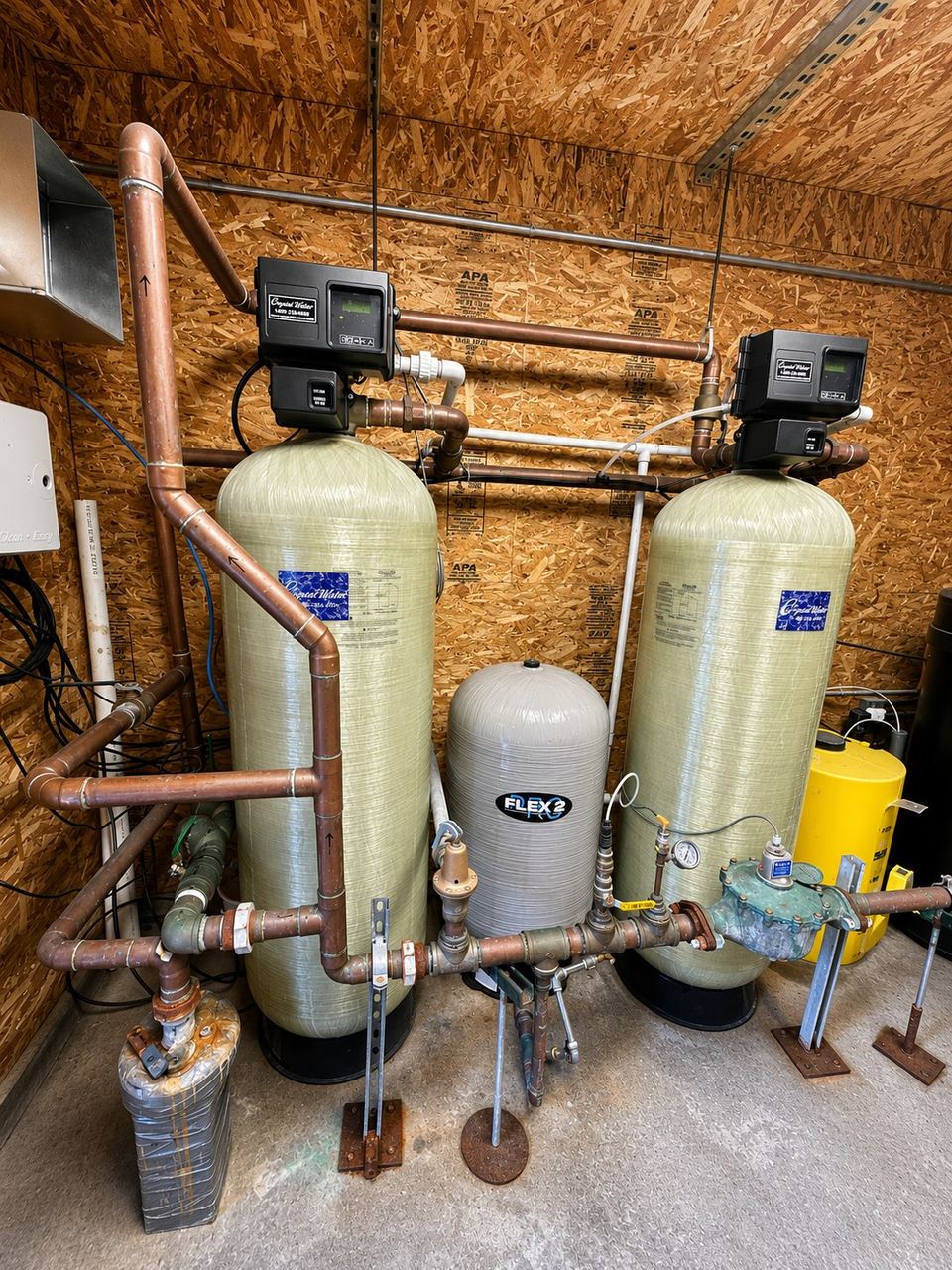
VOCs (Volatile Organic Compounds) and SOCs (Synthetic Organic Compounds) require different sampling protocols and bottles. VOC samples use 40 mL glass VOA vials with Teflon-lined caps and must have zero headspace — fill completely and check for air bubbles after capping. SOC samples use 1 L amber glass bottles with small headspace acceptable. Both must stay at or below 4°C from collection through delivery, with VOCs holding 14 days and SOCs holding 7 days at that temperature (14 days if frozen).
The most critical difference is flushing protocol. VOC samples intentionally capture stagnant water from the distribution line — do not flush before collecting. SOC samples require 2–3 minutes of flushing to represent source water quality. Mixing up these protocols invalidates results for both parameters.
Always collect at the entry point to the distribution system using a smooth-tip, non-aerated tap on brass or stainless steel. Never sample from plastic tubing, fire hydrants, or taps with point-of-use treatment. For VOCs, verify the tap delivers a slow, controllable trickle to avoid introducing air bubbles that drive off volatile compounds. Obtain all bottles directly from the certified laboratory — never reuse containers from other sample types.
Each active source must be sampled independently. Confirm your specific monitoring schedule, required parameters, and entry point location with your state primacy agency before sampling.
Source document
WOH_Organic_Contaminant_Sampling_Guide.pdf
application/pdf · 68.2 KB
Become a member to view the full 17 min readMore with similar tags
How to Prepare for a Sanitary Survey
Sanitary surveys happen on a defined schedule: every three to five years for most community water systems, every five years for groundwater systems that meet certain criteria. You know they're…
3 min read
Consumer Confidence Reports: What Your Customers Actually Want to Know
Your CCR is a legal requirement. It's also your best opportunity to build trust with the people who drink your water. Here's how to write one that does both.
3 min readNeed expert help with your water system?
Water Operator Hotline connects small public water systems with experienced water utility professionals who can help you stay compliant, maintain your equipment, and solve problems fast.