WOH RTCR Sample Siting Plan Guide
The RTCR Sample Siting Plan is a written document required by the Revised Total Coliform Rule that specifies where routine and repeat bacteriological samples will be collected throughout a water system's distribution. It helps small, rural, and tribal water systems ensure representative sampling and comply with 40 CFR Part 141, Subpart Y.

Every community water system and non-transient non-community water system must develop and maintain a written Sample Siting Plan that identifies routine sample locations and pre-planned repeat locations. The plan must be reviewed annually, updated when system changes occur, and made available during sanitary surveys. A compliant plan includes a sample location list with monthly rotation, a distribution system map showing all sample sites, pre-identified repeat locations (same tap, upstream, and downstream), groundwater source sites if applicable, and documentation of seasonal or interim sources.
Sample sites must be representative of water quality throughout the distribution system and collected from permanent, accessible, non-swivel indoor faucets that are routinely used by customers. Remove aerators and screens before sampling, and avoid leaking faucets. Do not sample from fire hydrants or from faucets with point-of-use treatment devices like carbon filters or softeners. Account for all pressure zones, booster stations, and interconnections in the rotation. For systems serving more than 4,900 people collecting six or more samples per month, samples must be spread at regular intervals throughout the month rather than collected on the same day.
When a routine sample tests positive for total coliform, the system must collect three repeat samples within 24 hours from the same tap, within five service connections upstream, and within five service connections downstream. Small systems that cannot identify five service connections in either direction may collect multiple repeat samples at the original tap. Any E. coli-positive result or total coliform-positive repeat sample following an E. coli-positive routine sample constitutes an MCL violation requiring immediate notification and a boil-water order.
Systems using groundwater must pre-identify source sampling points in the plan for triggered source water monitoring under the Ground Water Rule. When a routine RTCR sample is total coliform-positive, raw water samples from every groundwater source in use must be collected within 24 hours and analyzed for E. coli. If collection within 24 hours is not possible, contact your state primacy agency or EPA Region within 24 hours to request an extension.
Source document
WOH_RTCR_Sample_Siting_Plan_Guide.pdf
application/pdf · 60.8 KB
Become a member to view the full 12 min readMore with similar tags
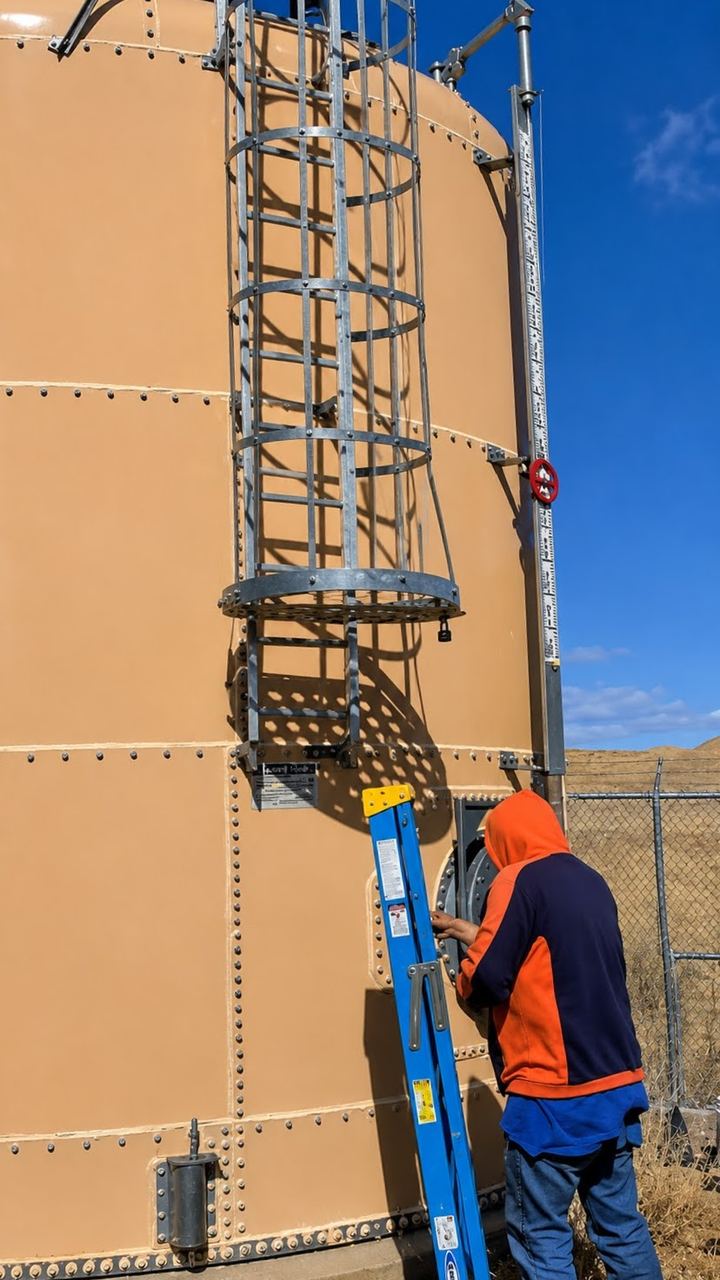
How to Prepare for a Sanitary Survey
Sanitary surveys happen on a defined schedule: every three to five years for most community water systems, every five years for groundwater systems that meet certain criteria. You know they're…
3 min read
Consumer Confidence Reports: What Your Customers Actually Want to Know
Your CCR is a legal requirement. It's also your best opportunity to build trust with the people who drink your water. Here's how to write one that does both.
3 min readNeed expert help with your water system?
Water Operator Hotline connects small public water systems with experienced water utility professionals who can help you stay compliant, maintain your equipment, and solve problems fast.