WOH SCADA Tank Pump Guide
Tank-level SCADA systems automatically start and stop pumps to maintain water level within a defined range, replacing manual switching and reducing overflow and dry-pump risk. This guide covers system components, sensor selection, setpoint configuration, alarm response, and routine maintenance for drinking water operators.
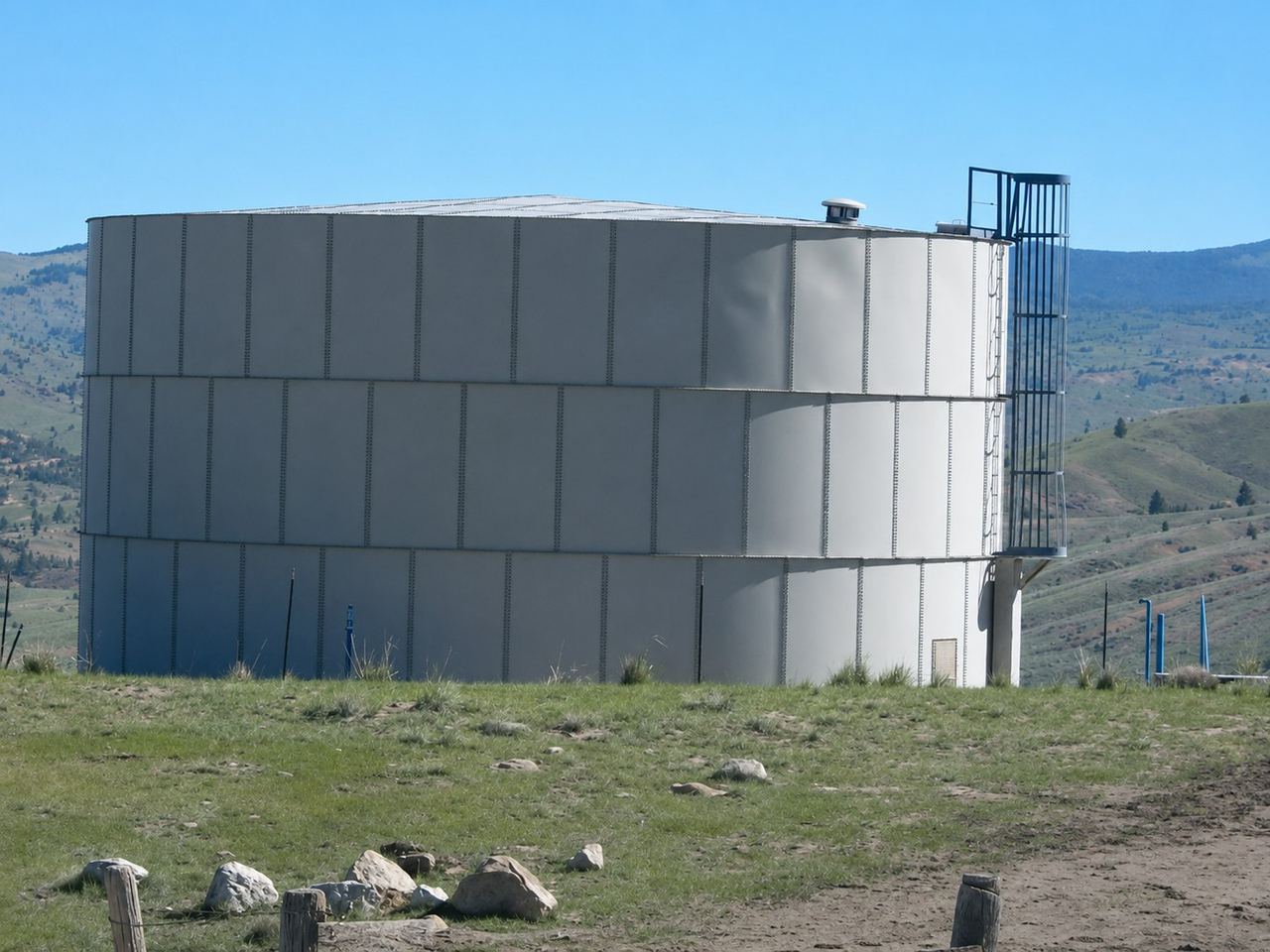
A tank-level SCADA system continuously monitors water depth using a level sensor and commands a pump to turn on when the tank falls to a pump-on setpoint and turn off when it reaches a pump-off setpoint. Key components include the level sensor (pressure transducer, ultrasonic, float switch, or bubbler), a controller (PLC or RTU) that makes start/stop decisions, a pump control output (relay or variable-frequency drive), a communication link to transmit data remotely, and a power supply with battery backup for sustained operation during outages.
Level sensors convert tank depth to an electronic signal. Pressure transducers and ultrasonic sensors provide continuous 4–20 mA analog output suitable for proportional control and trending; float switches provide only on/off signals and are limited to simple two-point control. Select a sensor with a range matching your full tank depth and mount it to minimize turbulence—submersible transducers near the tank floor, ultrasonic sensors at tank top center away from inlet splash. Route sensor cables in separate conduit away from 120/240 VAC pump power wiring to prevent electrical noise on the signal.
Proper installation prevents erratic pump cycling and false alarms. Seal all conduit entries with approved sealant to block moisture and insects, which can destroy electronics. Verify the 4–20 mA loop is correctly powered and wired before commissioning. A battery-backed UPS sized for 4–8 hours of runtime ensures the system continues monitoring and communicating during power loss, allowing the operator to respond before tank overflow or pump shutdown occurs.
Source document
WOH_SCADA_Tank_Pump_Guide.pdf
application/pdf · 104.4 KB
Become a member to view the full 21 min readMore with similar tags

Storage Tank Inspection: What to Look For and When to Act
Your storage tanks are one of the most vulnerable points in your distribution system. A systematic inspection approach catches problems before they become violations.
2 min read
Well Pump Troubleshooting for Small Water Systems
A pump that won't start, won't keep pressure, or runs constantly is telling you something. Here's a systematic approach to diagnosing the most common well pump problems.
3 min readNeed expert help with your water system?
Water Operator Hotline connects small public water systems with experienced water utility professionals who can help you stay compliant, maintain your equipment, and solve problems fast.