WOH Tank Disinfection Guide
Tank disinfection is required when new tanks enter service, after repairs or internal inspection, following contamination events, or after flooding. The fill-and-drain method (AWWA C652 Method 2) achieves 50 mg/L free chlorine for 24 hours and is most practical for small systems without confined space entry.
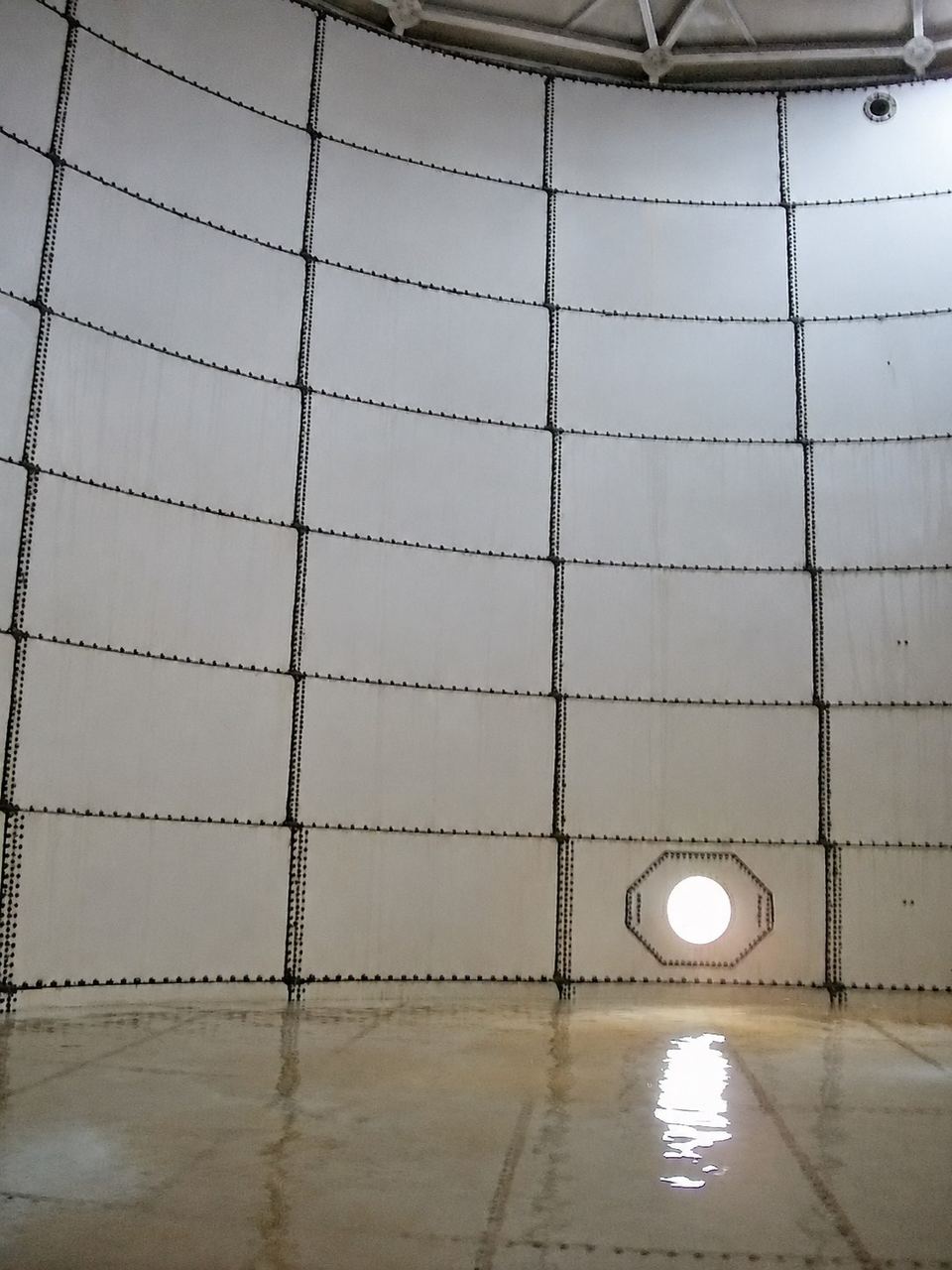
Disinfect a water storage tank when it is new, repaired, internally inspected, or suspected of contamination. Disinfection is also required after flooding, structural compromise, positive bacteriological results, extended shutdown (over 30 days), or per state and permit requirements. Note that disinfection eliminates bacteria present at treatment time but does not fix contaminated source water, failed tank coatings, or ongoing pathways allowing re-contamination.
The fill-and-drain method (Method 2) is the most common approach for small systems. Fill the tank with potable water containing at least 50 mg/L free chlorine residual and hold for a minimum 24 hours, then drain and rinse before returning to service. Test the chlorine residual after filling to confirm the 50 mg/L target is achieved. This residual is 10–25 times normal drinking water levels and kills bacteria and most viruses within the contact period.
For chlorine products, use only NSF/ANSI Standard 60 certified materials. Unscented household bleach (5.25–8.25% sodium hypochlorite) is the most accessible option for small tanks. Bulk sodium hypochlorite solution (10–12.5%) suits larger tanks, and calcium hypochlorite granules (65–70%) work well for remote sites with shelf-stable storage requirements. Always dissolve granules in water first; never add dry granules directly to a tank.
Follow strict safety precautions: wear chemical-resistant gloves (nitrile or neoprene) and safety glasses, work in a well-ventilated area, and never mix chlorine with ammonia, acids, or other chemicals. Tank entry is a confined space operation requiring atmospheric testing. Keep clean water available for eye and skin flushing, and dispose of excess chlorine per local regulations.
Source document
WOH_Tank_Disinfection_Guide.pdf
application/pdf · 48.3 KB
Become a member to view the full 17 min readMore with similar tags

Storage Tank Inspection: What to Look For and When to Act
Your storage tanks are one of the most vulnerable points in your distribution system. A systematic inspection approach catches problems before they become violations.
2 min read
Well Pump Troubleshooting for Small Water Systems
A pump that won't start, won't keep pressure, or runs constantly is telling you something. Here's a systematic approach to diagnosing the most common well pump problems.
3 min readNeed expert help with your water system?
Water Operator Hotline connects small public water systems with experienced water utility professionals who can help you stay compliant, maintain your equipment, and solve problems fast.