WOH Well Disinfection Guide
Shock chlorination disinfects new, repaired, or contaminated wells by introducing high-concentration chlorine to kill bacteria and viruses. This guide covers when to disinfect, chlorine product selection, dose calculation, step-by-step procedure, and post-treatment sampling for drinking water operators.
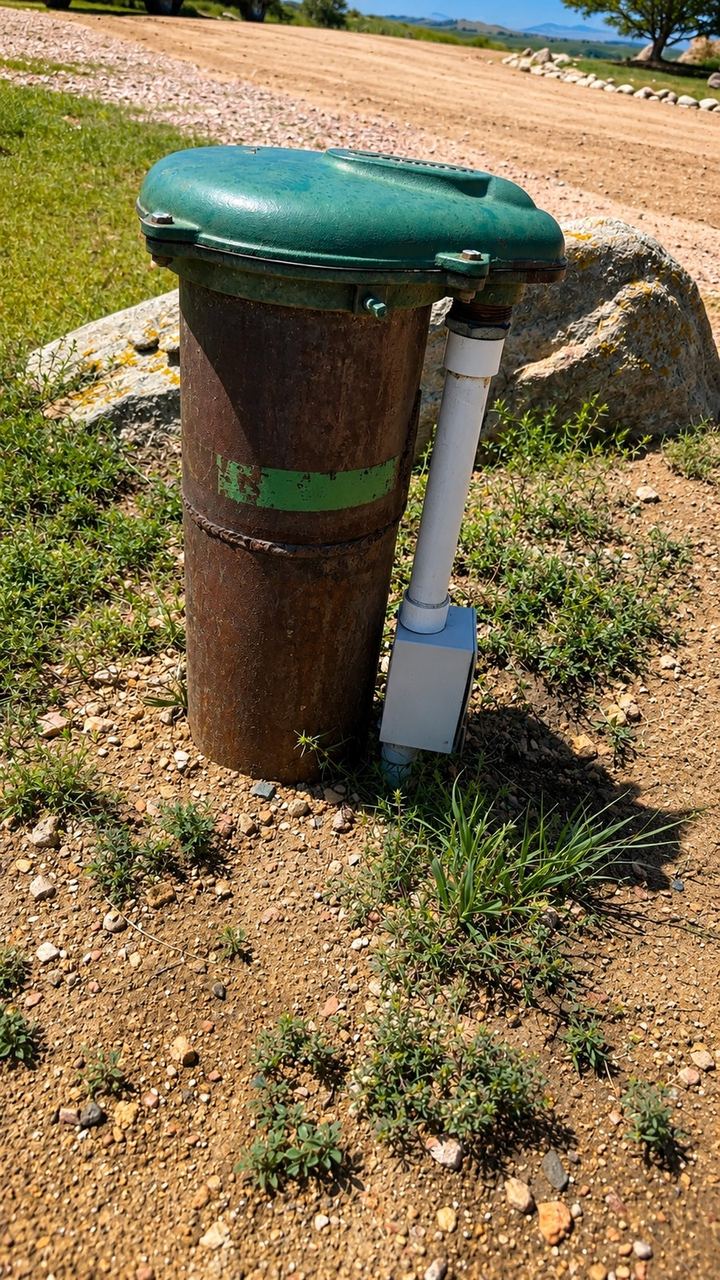
Disinfect a well after new construction, pump work, casing or screen repairs, positive bacteriological samples, floods, surface water intrusion, or extended non-use (over 30 days). Some state programs also require periodic maintenance disinfection. Remember that shock chlorination kills microorganisms present in the well at the time of treatment but does not fix a contaminated aquifer or repair defective casing—if positive results recur, investigate the source of contamination with your state agency and a licensed well driller.
Chlorine is hazardous. Wear chemical-resistant gloves, safety glasses, and old clothing. Work in well-ventilated areas and never mix different chlorine products or combine chlorine with ammonia, acids, or other chemicals. Keep children and animals away during disinfection. Discharge flushed chlorinated water to a sanitary sewer or grassed area where it infiltrates soil—never to surface water.
Three chlorine sources work for well disinfection: household liquid bleach (5.25–8.25% available chlorine, best for small wells), granular calcium hypochlorite (65–70%, suits deep wells), and bulk sodium hypochlorite solution (10–12.5%, for large systems). Always use products labeled safe for potable water. The goal is to achieve at least 200 mg/L free chlorine throughout the well. Calculate well volume using the formula: gallons = (casing diameter in inches)² × 0.0408 × standing water depth in feet. The standing water depth is measured from the water surface to the bottom of the well or pump intake, not total well depth.
Source document
WOH_Well_Disinfection_Guide.pdf
application/pdf · 57.0 KB
Become a member to view the full 18 min readMore with similar tags

Storage Tank Inspection: What to Look For and When to Act
Your storage tanks are one of the most vulnerable points in your distribution system. A systematic inspection approach catches problems before they become violations.
2 min read
Well Pump Troubleshooting for Small Water Systems
A pump that won't start, won't keep pressure, or runs constantly is telling you something. Here's a systematic approach to diagnosing the most common well pump problems.
3 min readNeed expert help with your water system?
Water Operator Hotline connects small public water systems with experienced water utility professionals who can help you stay compliant, maintain your equipment, and solve problems fast.