WOH Confined Space Guide
OSHA 1910.146 requires drinking water operators to follow strict procedures before entering confined spaces like manholes, wet wells, and storage tanks. This guide covers identifying permit-required spaces, atmospheric testing, trained personnel, rescue provisions, and compliance steps to prevent deaths from invisible hazards like hydrogen sulfide and oxygen deficiency.
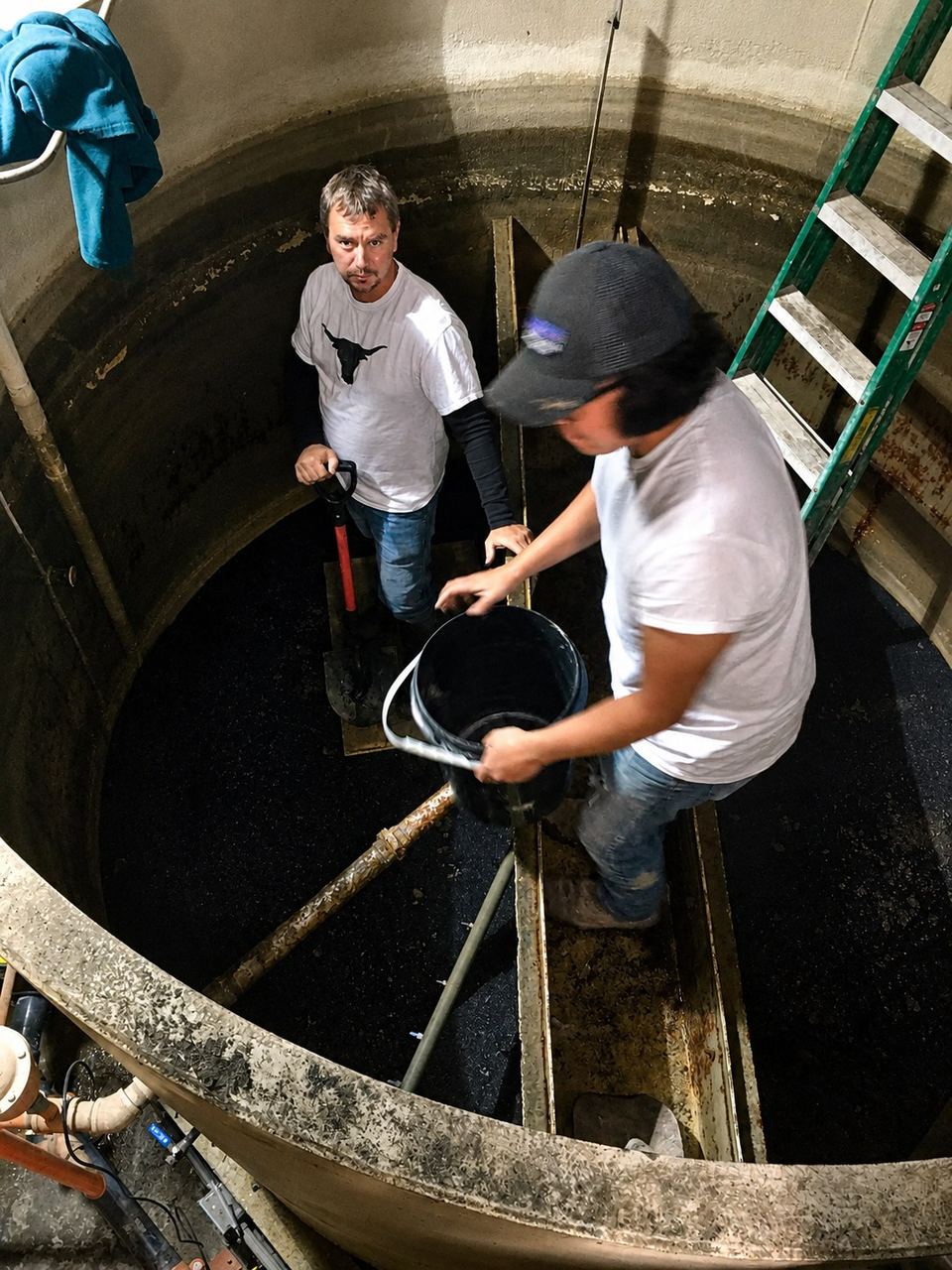
Confined space deaths in water systems follow a predictable pattern: a worker enters a space to perform routine tasks, loses consciousness within seconds or minutes due to atmospheric hazards, and a would-be rescuer enters without testing and collapses too. The primary killers are oxygen deficiency, hydrogen sulfide, methane, and carbon monoxide—all invisible and fast-acting. Hydrogen sulfide is particularly dangerous because it deaddeens the sense of smell at sub-lethal concentrations, so workers may falsely believe the air is safe when it is not. More than 60 percent of confined space fatalities involve would-be rescuers, not the initial victim.
OSHA 29 CFR 1910.146 applies to all general industry employers, including drinking water utilities of every size, with no exemption for small systems or short-duration entries. The standard requires a written confined space program, atmospheric testing before entry, trained personnel, rescue equipment and provisions, and a signed entry permit for every permit-required space. A confined space must meet three criteria: large enough for a worker to enter and perform work, has limited or restricted entry/exit, and is not designed for continuous occupancy. A permit-required space has one or more serious hazards, such as hazardous atmosphere, potential engulfment, internal configuration that could trap an entrant, or other recognized serious safety hazards.
Common permit-required spaces in water systems include wet wells and lift stations (hydrogen sulfide and oxygen deficiency), steel and concrete storage tanks (oxygen deficiency and volatile organic compounds), metering and valve vaults (oxygen deficiency and methane), pump stations (oxygen deficiency and carbon monoxide), chlorination buildings (chlorine gas), well casings (oxygen deficiency), and underground manholes (oxygen deficiency, methane, hydrogen sulfide). Never enter a confined space to rescue an unresponsive worker without full PRCS equipment, a trained team, and rescue provisions already in place—call 911 first instead.
When uncertain whether a space qualifies as permit-required, treat it as such until a formal evaluation is completed and documented. The written program must include a complete inventory and classification of all confined spaces at each facility, a permit system requiring signed entry permits before any entry, and documentation of how hazards are eliminated if a space is reclassified from permit-required to non-permit.
Source document
WOH_Confined_Space_Guide.pdf
application/pdf · 59.4 KB
Become a member to view the full 25 min readMore with similar tags
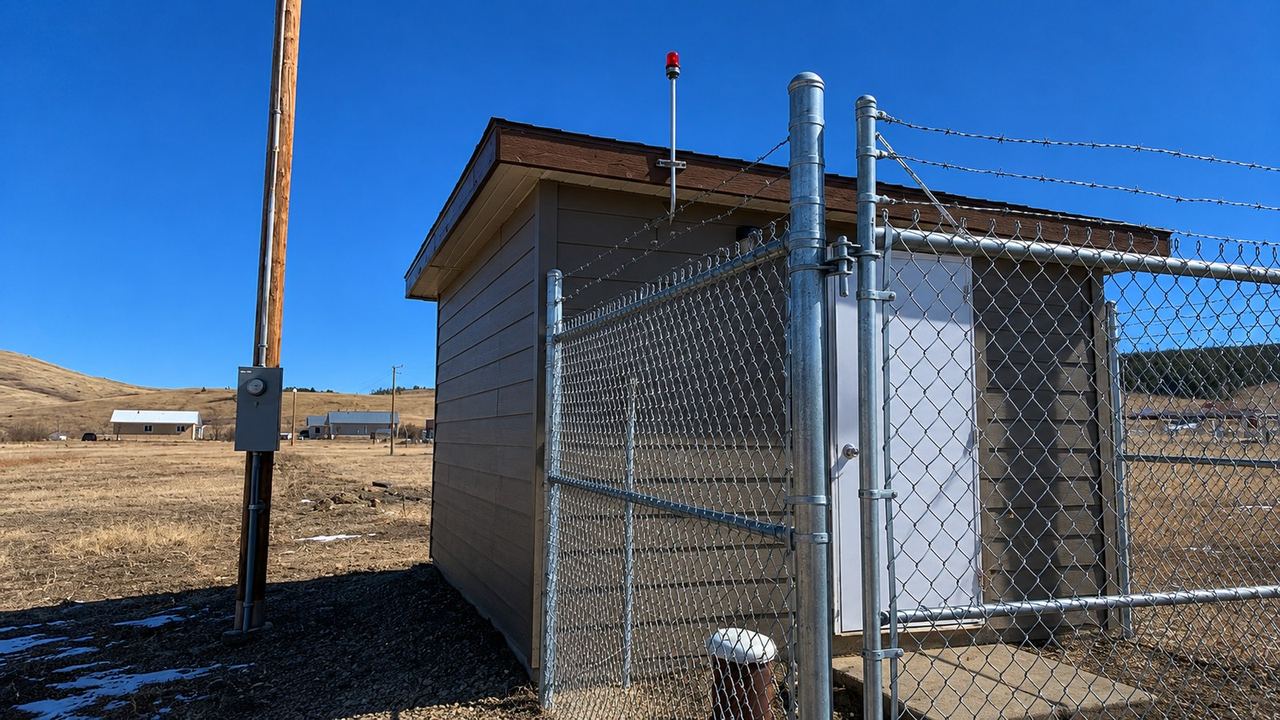
Cold-Weather Operations: Protecting Your Water System Through Winter
Frozen service lines and burst pipes are expensive and avoidable. A systematic approach to winterization keeps your system running when temperatures drop.
3 min read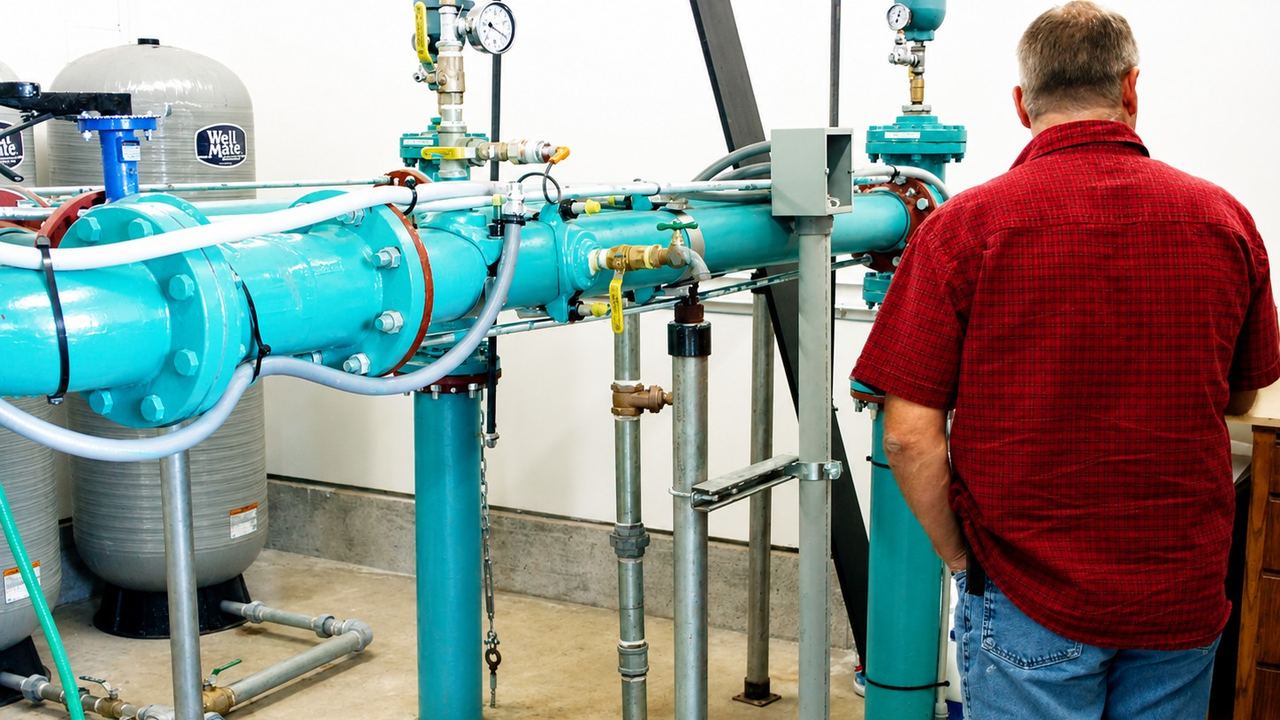
Cross-Connection Control: The Basics Every Small System Operator Needs
Cross-connections are one of the most serious contamination risks in any distribution system. Here's what they are, where to find them, and how to manage the risk.
2 min read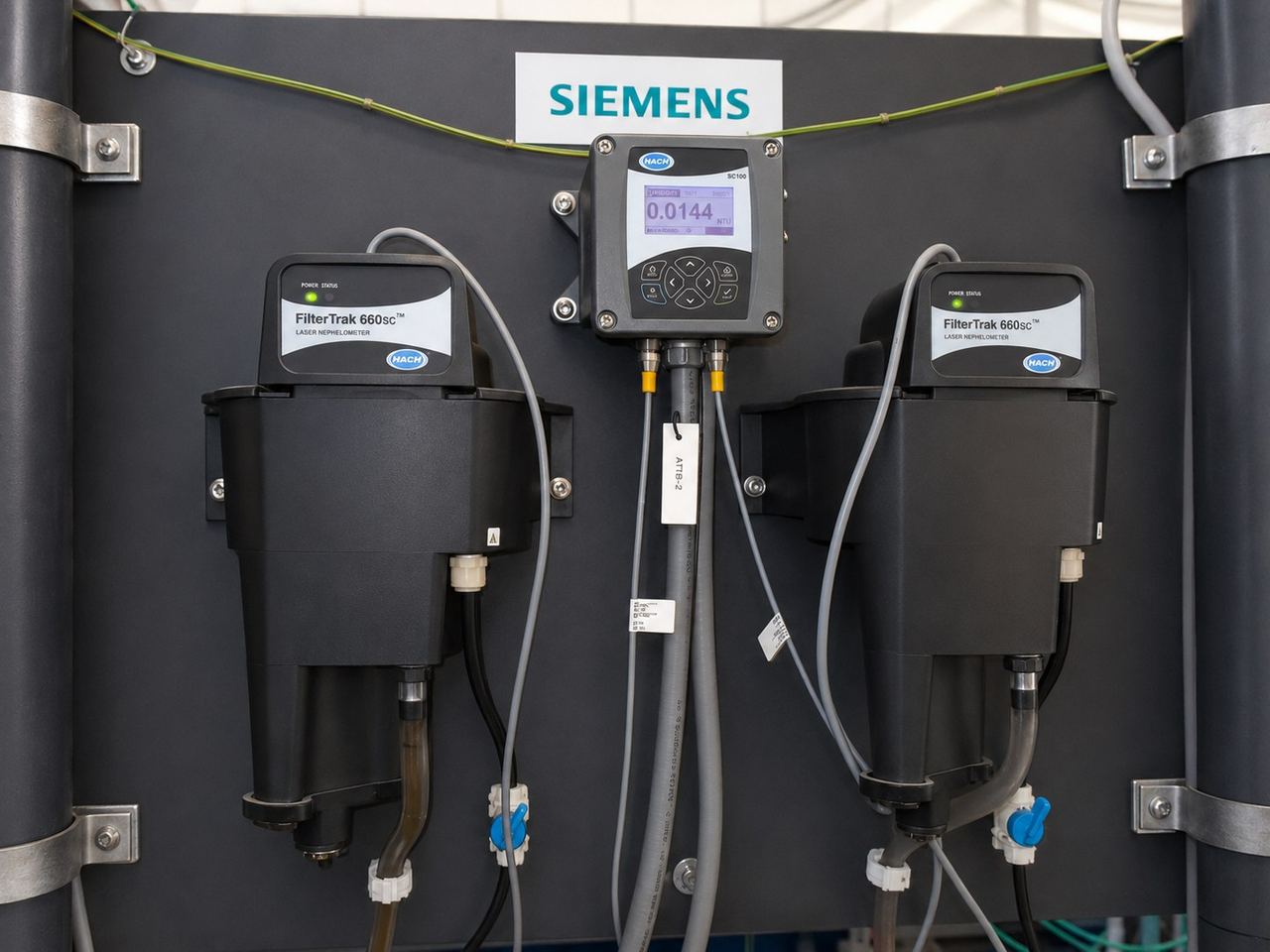
Chlorine Residual Testing: Getting Accurate Results Every Time
Chlorine residual is one of your most important operational indicators. Here's how to run accurate tests, troubleshoot low results, and document them properly.
2 min readNeed expert help with your water system?
Water Operator Hotline connects small public water systems with experienced water utility professionals who can help you stay compliant, maintain your equipment, and solve problems fast.