WOH Water Main Leak Repair Guide
Covers identifying and repairing water main leaks, including detection methods, safe excavation and isolation, repair techniques for common pipe materials, post-repair disinfection, and return-to-service procedures. Essential for operators managing distribution system integrity and compliance.
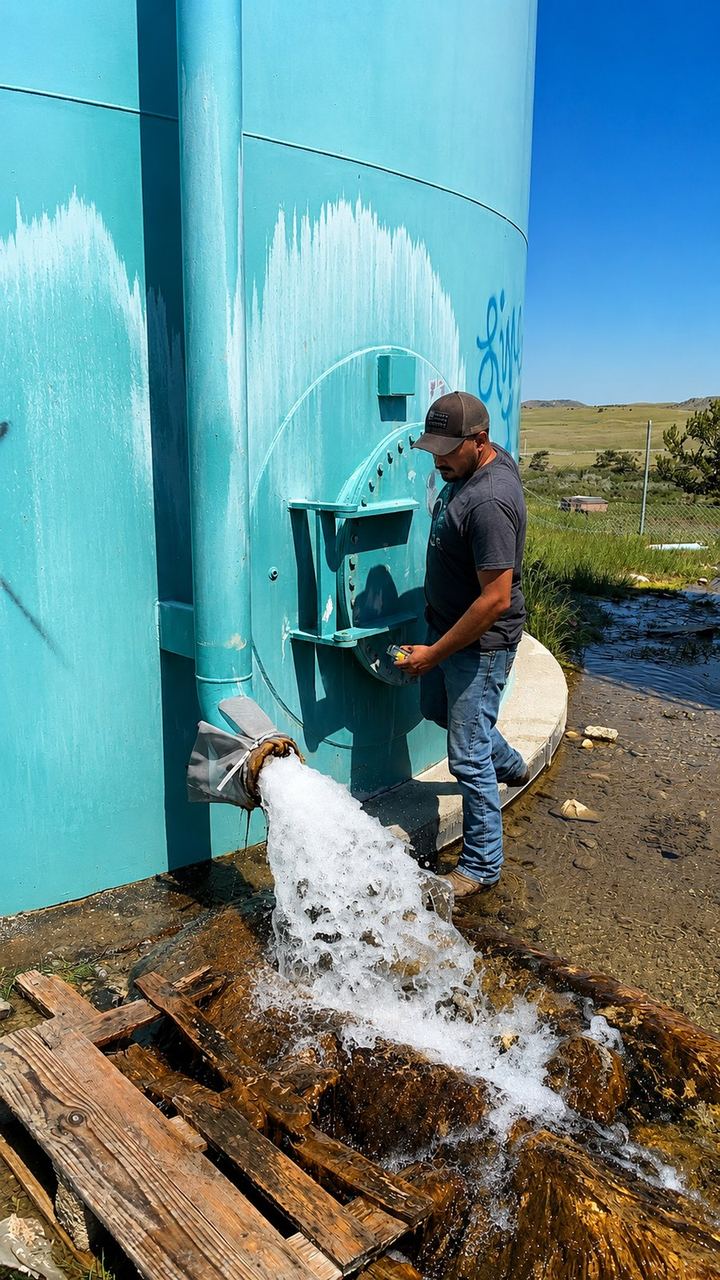
Early detection and prompt repair of water main leaks are critical compliance and public health obligations. Visible leaks may present as wet ground, sinkholes, or pressure drops; non-visible leaks require systematic isolation and flow monitoring or acoustic detection equipment. For small systems, closing isolation valves section by section while monitoring pump runtime identifies the affected zone, then walking the alignment to listen for hissing or probing wet soil pinpoints the leak location. Before excavating, isolate the smallest section containing the suspected leak using your system map, confirm valve positions, notify customers, and document all isolation steps.
Water main repair work involves excavation, pressurized systems, and hazardous chemicals, all governed by OSHA standards. Any excavation 5 feet or deeper requires proper shoring or a trench box, and soil must be classified by a competent person—never enter an unshored trench in Type B or C soil. Call 811 before digging. The main must be fully isolated and depressurized before cutting or removing fittings; open air release valves to vent trapped pressure. Chlorine disinfectants (calcium hypochlorite and sodium hypochlorite) are oxidizers requiring nitrile gloves, safety glasses, and chemical-resistant clothing; never mix calcium hypochlorite with other chemicals, and work only in well-ventilated areas.
Repair method depends on pipe material, failure type, and main diameter. Point leaks in straight runs are typically repaired with full-circle stainless steel repair clamps sized to the pipe's outside diameter, not nominal size. Larger damage requires cut-out repair with a replacement spool and mechanical couplings—use restrained couplings near bends, tees, or end caps where thrust forces exist. Service saddle and corporation stop leaks usually require replacing both components together rather than threads alone. Restrained couplings and tie-rod assemblies provide temporary thrust restraint; permanent repairs may require thrust blocks per your system's design standards.
Source document
WOH_Water_Main_Leak_Repair_Guide.pdf
application/pdf · 69.6 KB
Become a member to view the full 21 min readMore with similar tags
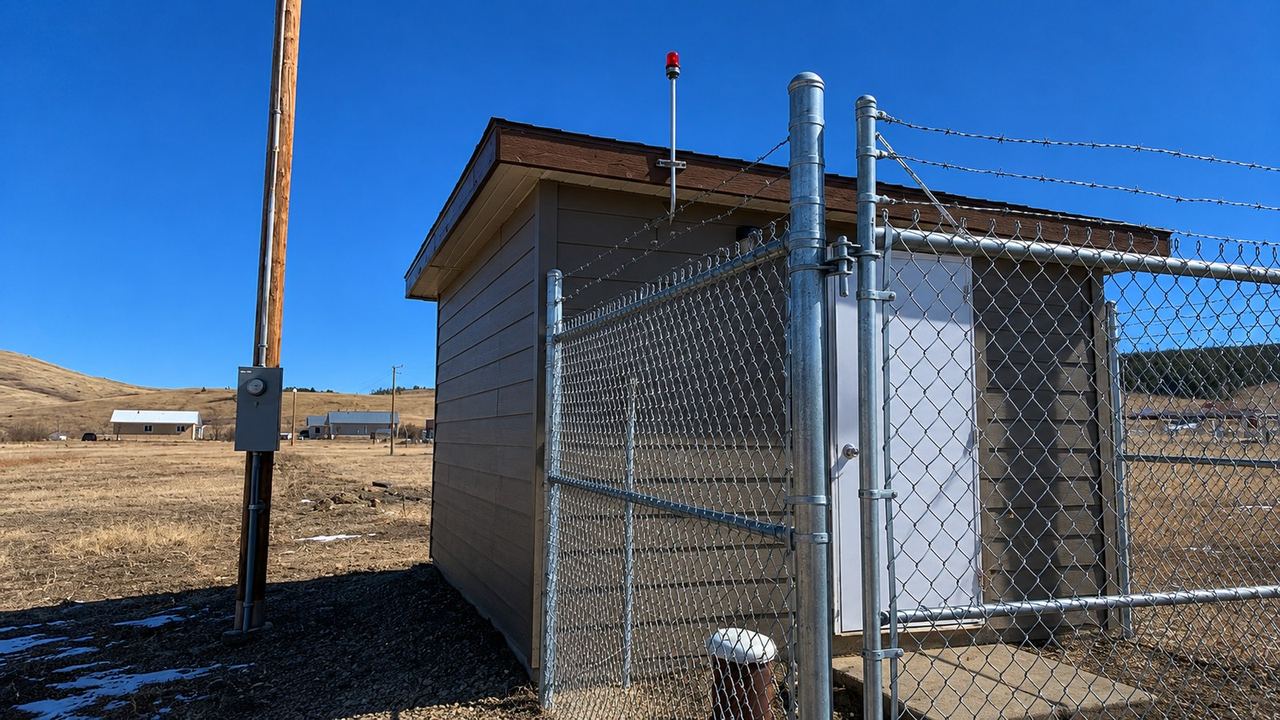
Cold-Weather Operations: Protecting Your Water System Through Winter
Frozen service lines and burst pipes are expensive and avoidable. A systematic approach to winterization keeps your system running when temperatures drop.
3 min read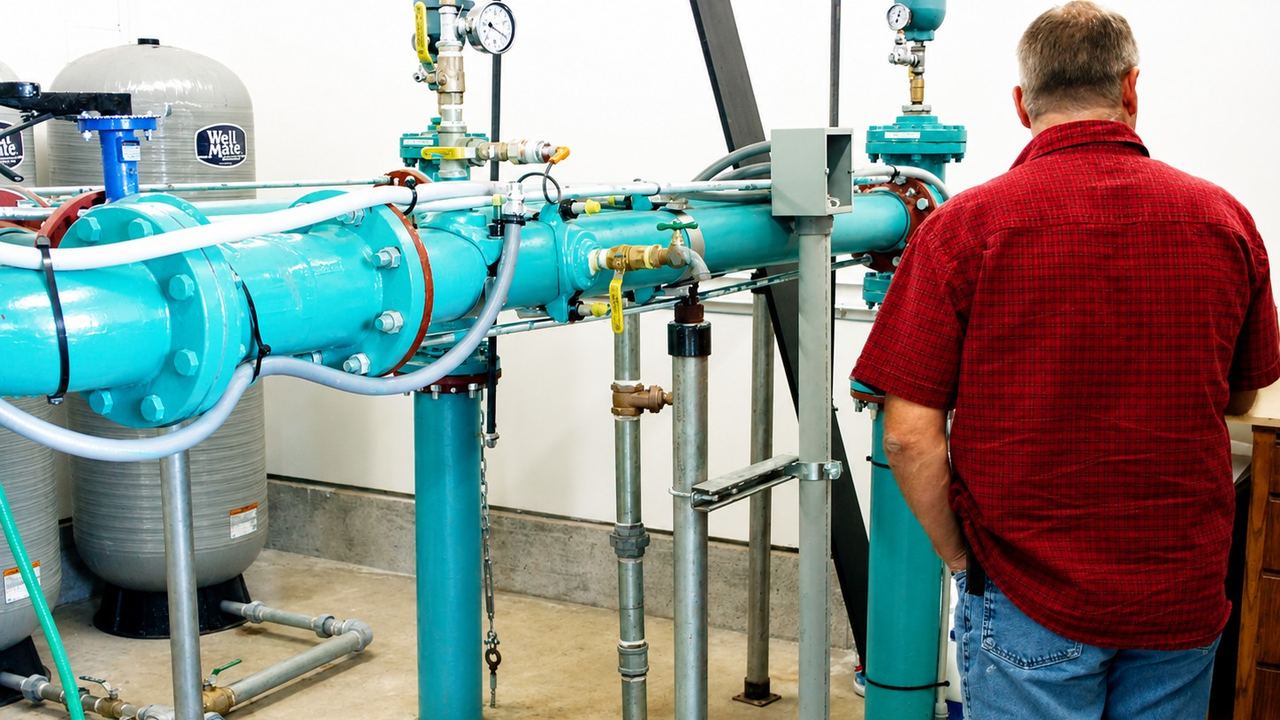
Cross-Connection Control: The Basics Every Small System Operator Needs
Cross-connections are one of the most serious contamination risks in any distribution system. Here's what they are, where to find them, and how to manage the risk.
2 min read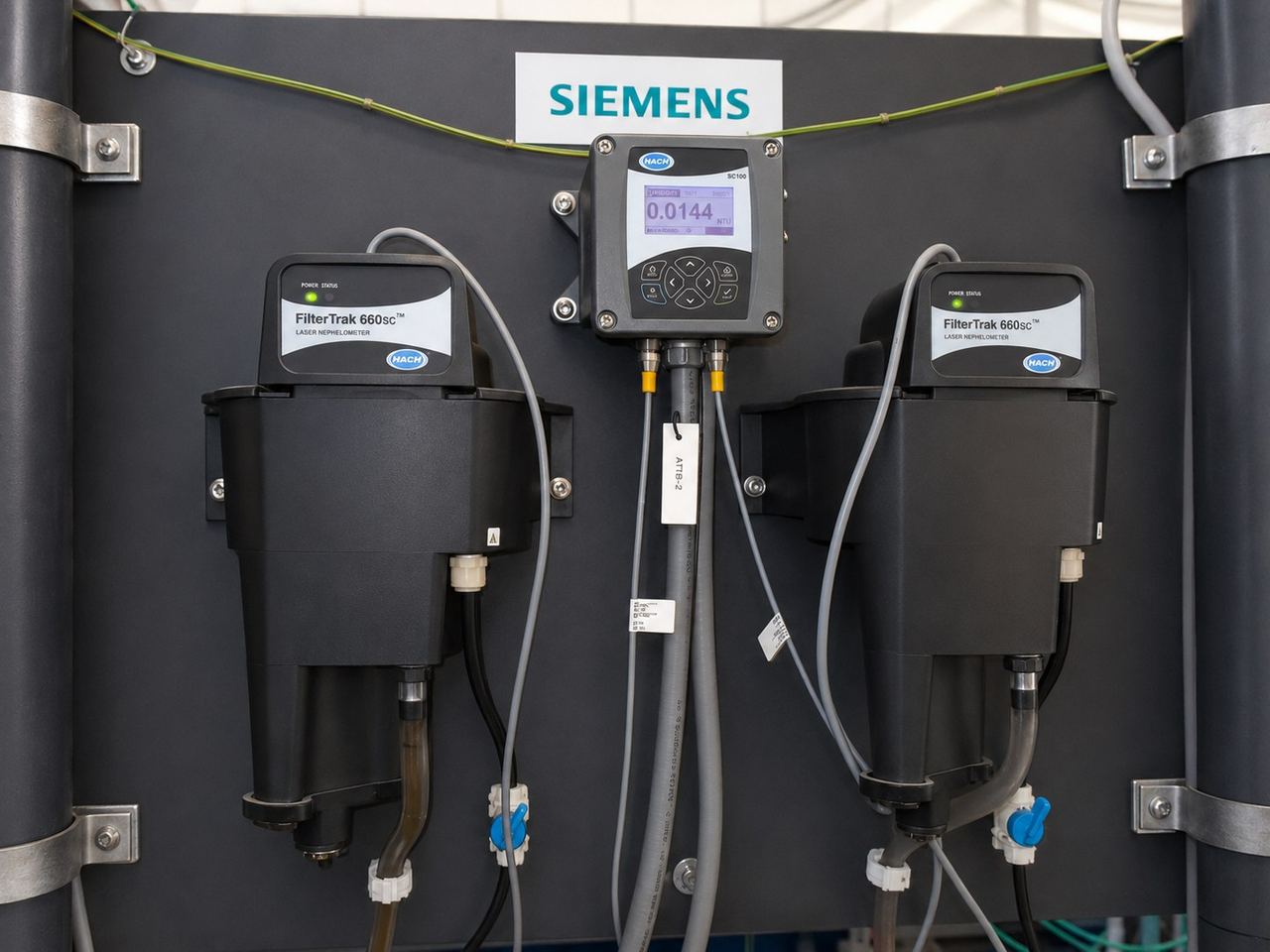
Chlorine Residual Testing: Getting Accurate Results Every Time
Chlorine residual is one of your most important operational indicators. Here's how to run accurate tests, troubleshoot low results, and document them properly.
2 min readNeed expert help with your water system?
Water Operator Hotline connects small public water systems with experienced water utility professionals who can help you stay compliant, maintain your equipment, and solve problems fast.