Knowledge Base
Practical guidance for small public water system operators: compliance, maintenance, operations, and professional development.
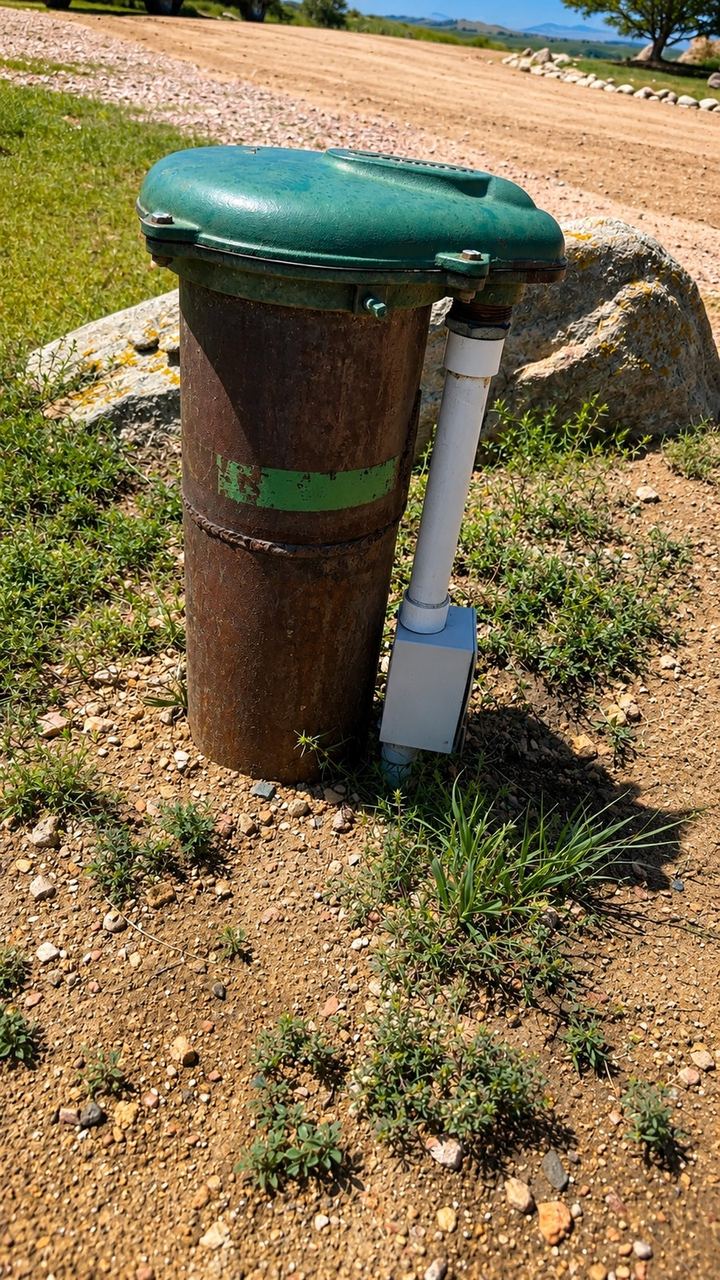
WOH Well Disinfection Guide
Shock chlorination disinfects new, repaired, or contaminated wells by introducing high-concentration chlorine to kill bacteria and viruses. This guide covers when to disinfect, chlorine product selection, dose calculation, step-by-step procedure, and post-treatment sampling for drinking water operators.
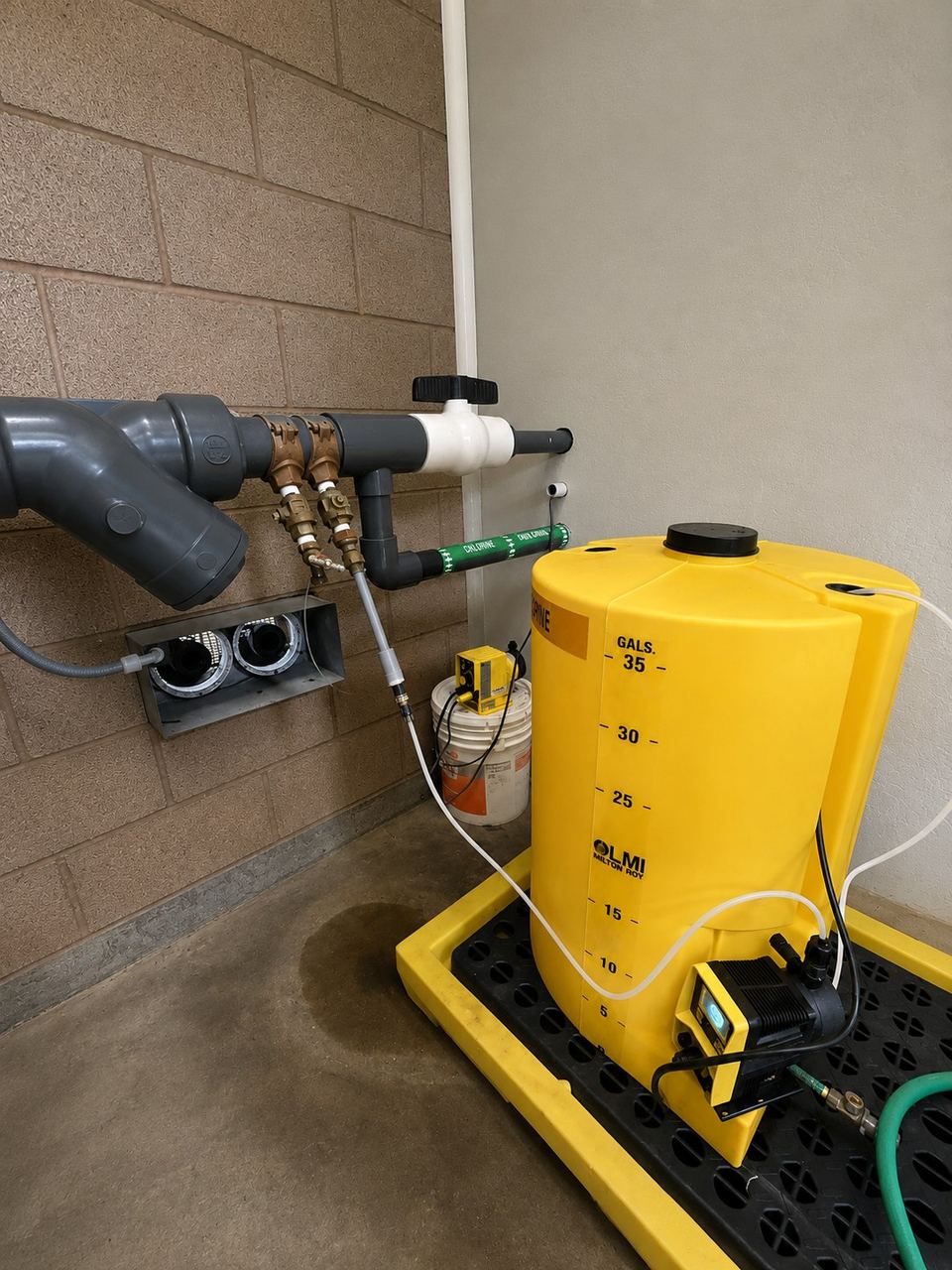
WOH Water Rate Setting Guide
This guide helps water system operators and boards calculate full costs of service, structure rates to cover operating expenses, debt service, and capital replacement, and plan regular rate adjustments. It covers cost identification, revenue calculations, rate design options, and customer communication.
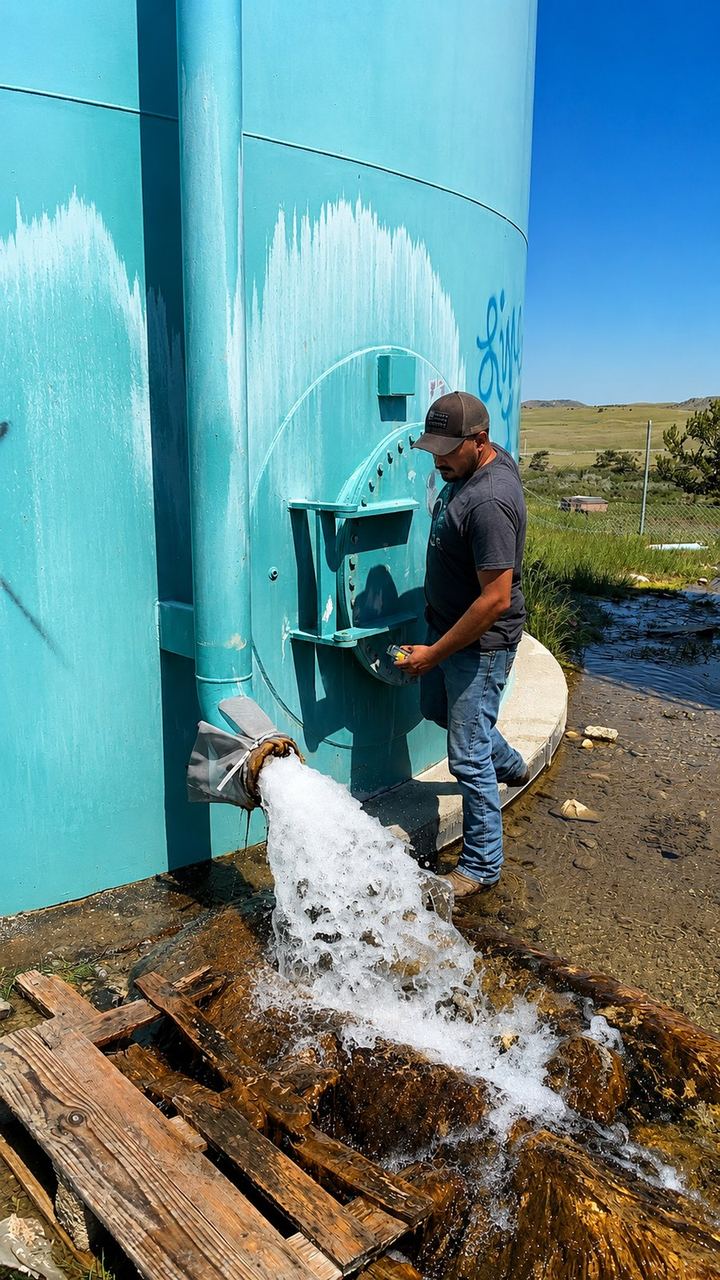
WOH Water Main Leak Repair Guide
Covers identifying and repairing water main leaks, including detection methods, safe excavation and isolation, repair techniques for common pipe materials, post-repair disinfection, and return-to-service procedures. Essential for operators managing distribution system integrity and compliance.
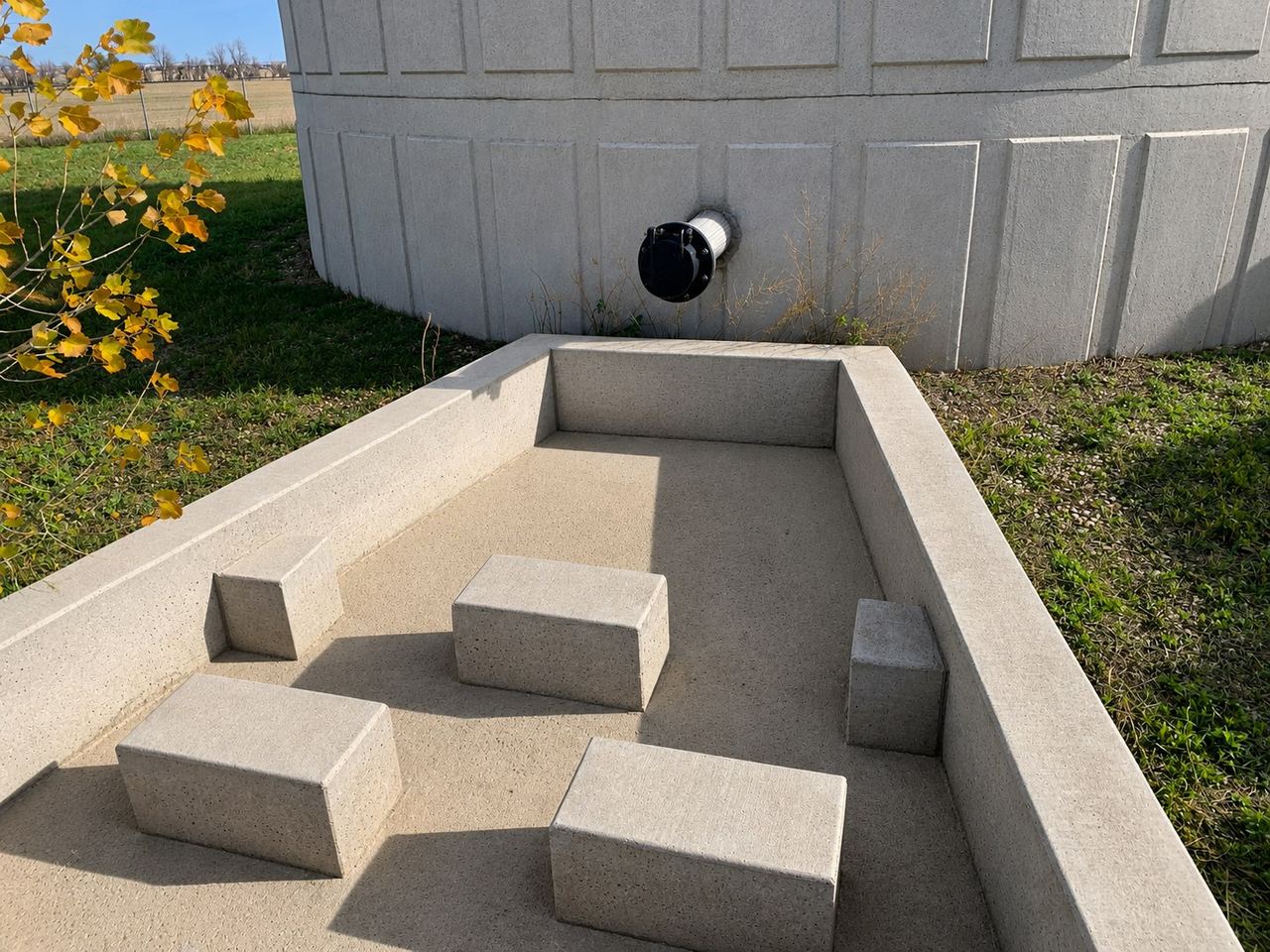
WOH Trenching Shoring Guide
OSHA requires protective systems (sloping, shoring, or trench boxes) for all trenches 5 feet or deeper. This guide covers soil classification, system selection, competent person requirements, and compliance with 29 CFR 1926 Subpart P to prevent cave-ins that kill water operators.
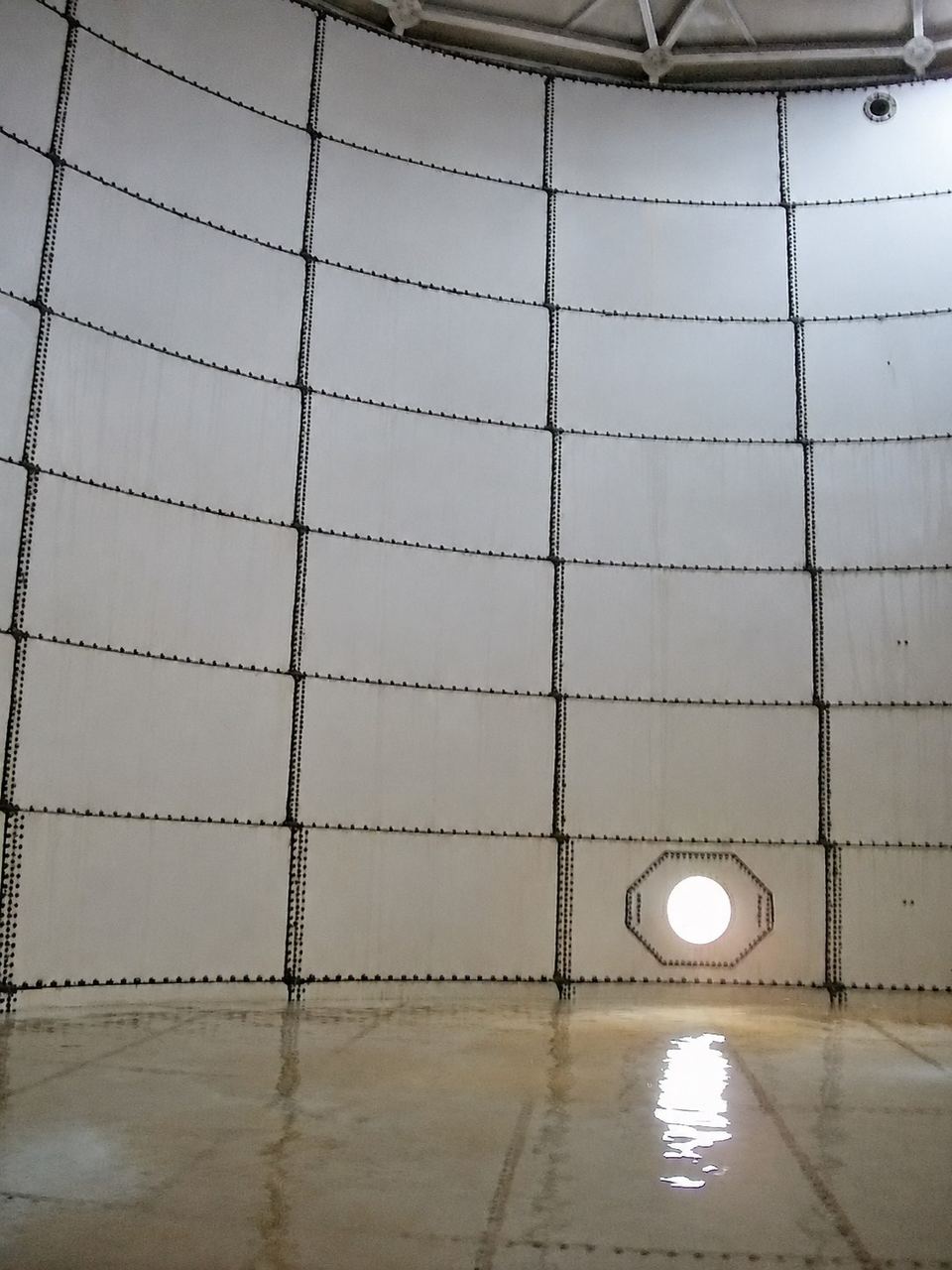
WOH Tank Disinfection Guide
Tank disinfection is required when new tanks enter service, after repairs or internal inspection, following contamination events, or after flooding. The fill-and-drain method (AWWA C652 Method 2) achieves 50 mg/L free chlorine for 24 hours and is most practical for small systems without confined space entry.
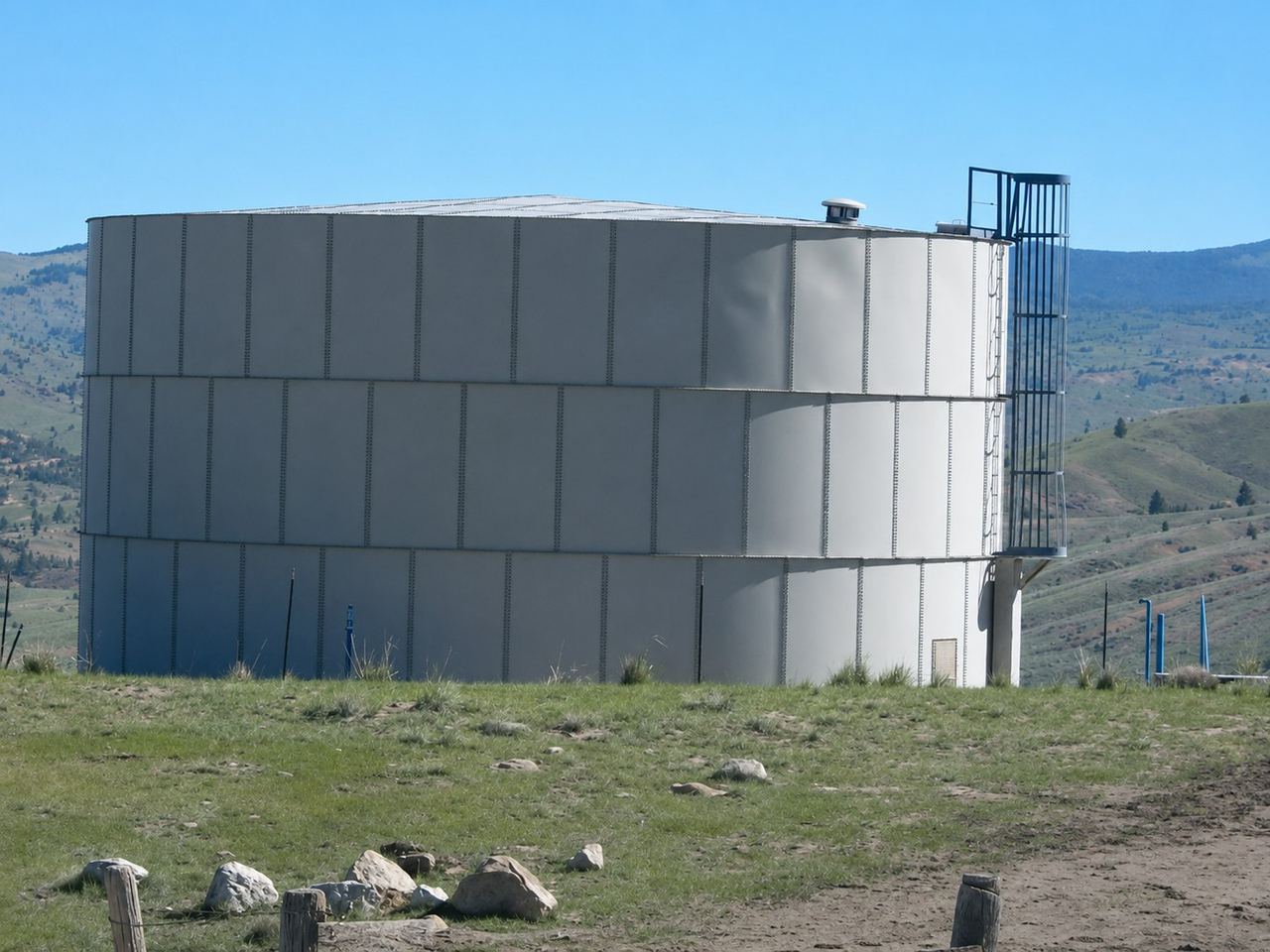
WOH SCADA Tank Pump Guide
Tank-level SCADA systems automatically start and stop pumps to maintain water level within a defined range, replacing manual switching and reducing overflow and dry-pump risk. This guide covers system components, sensor selection, setpoint configuration, alarm response, and routine maintenance for drinking water operators.
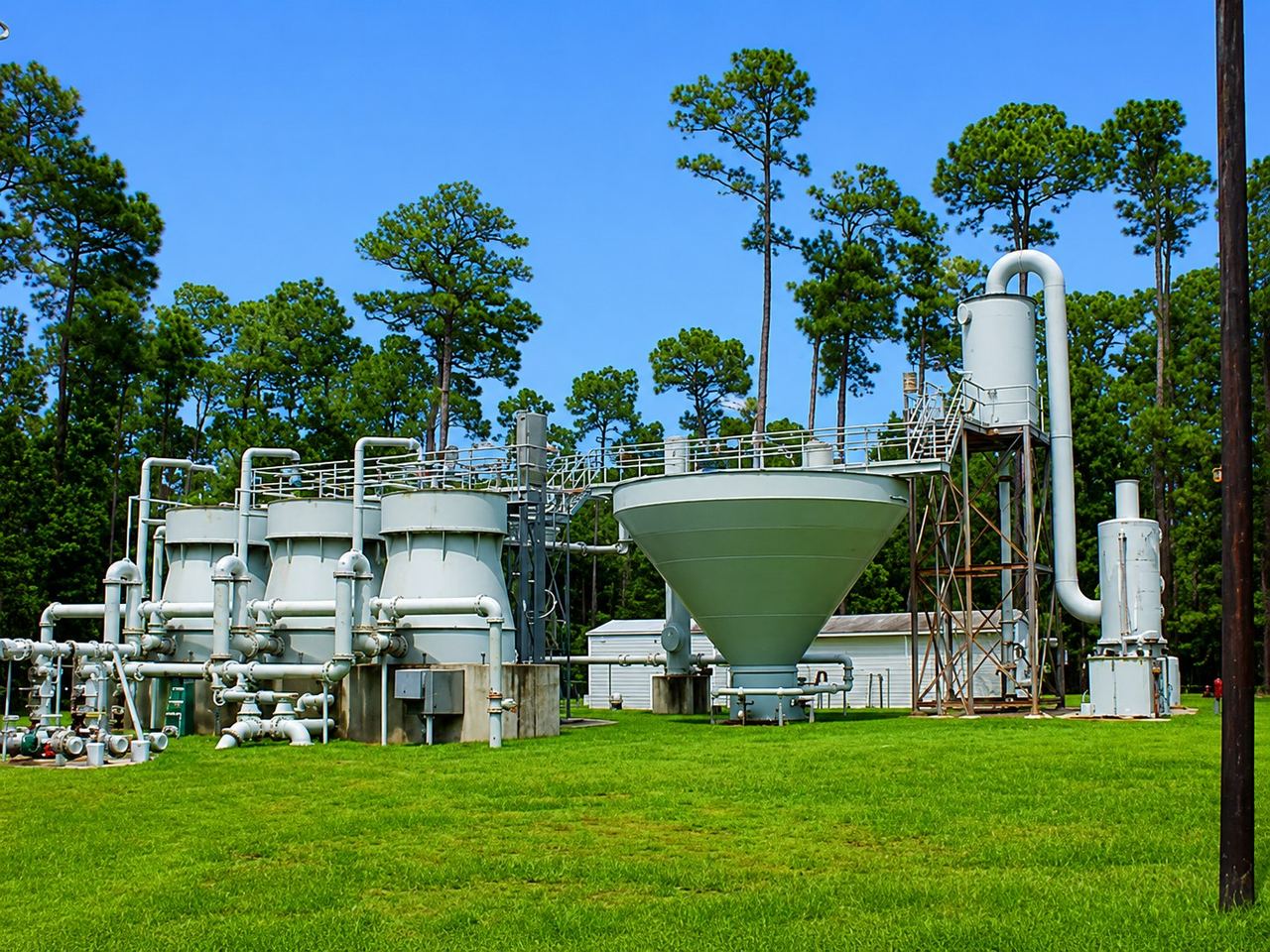
WOH RTCR Sample Siting Plan Guide
The RTCR Sample Siting Plan is a written document required by the Revised Total Coliform Rule that specifies where routine and repeat bacteriological samples will be collected throughout a water system's distribution. It helps small, rural, and tribal water systems ensure representative sampling and comply with 40 CFR Part 141, Subpart Y.
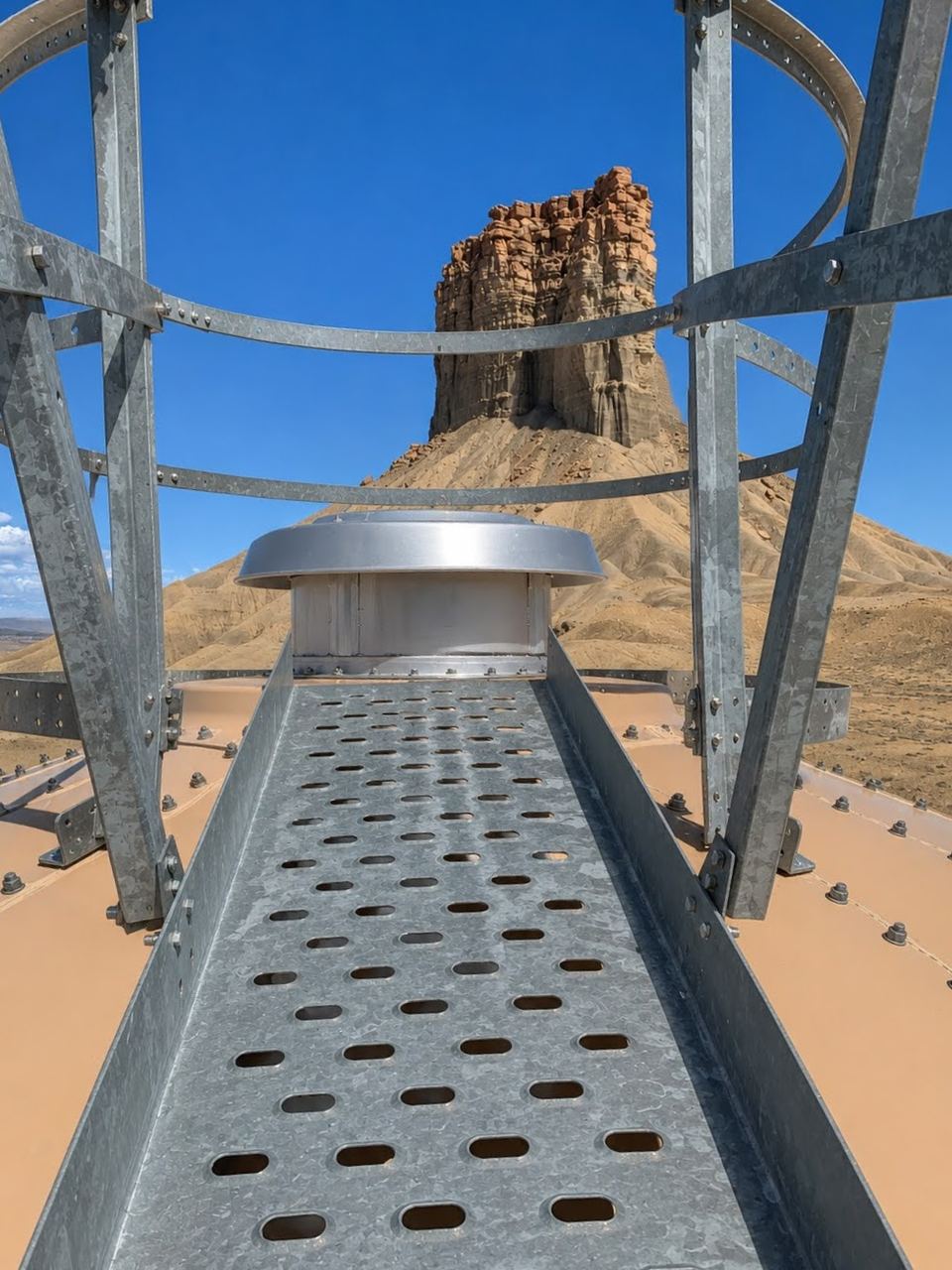
WOH RFQ Template
Template for requesting qualifications from engineering firms to design and oversee water system capital improvement projects. Helps small and rural systems conduct qualifications-based selection consistent with the Brooks Act and state procurement rules.
WOH RFQ Legal Notice Template
Template and guidance for small, rural, and tribal water systems to publicly advertise Requests for Qualifications (RFQ) for engineering services. Covers legal notice requirements, common standards, and ready-to-use short and long-form notice models.
WOH Peristaltic Pump Guide
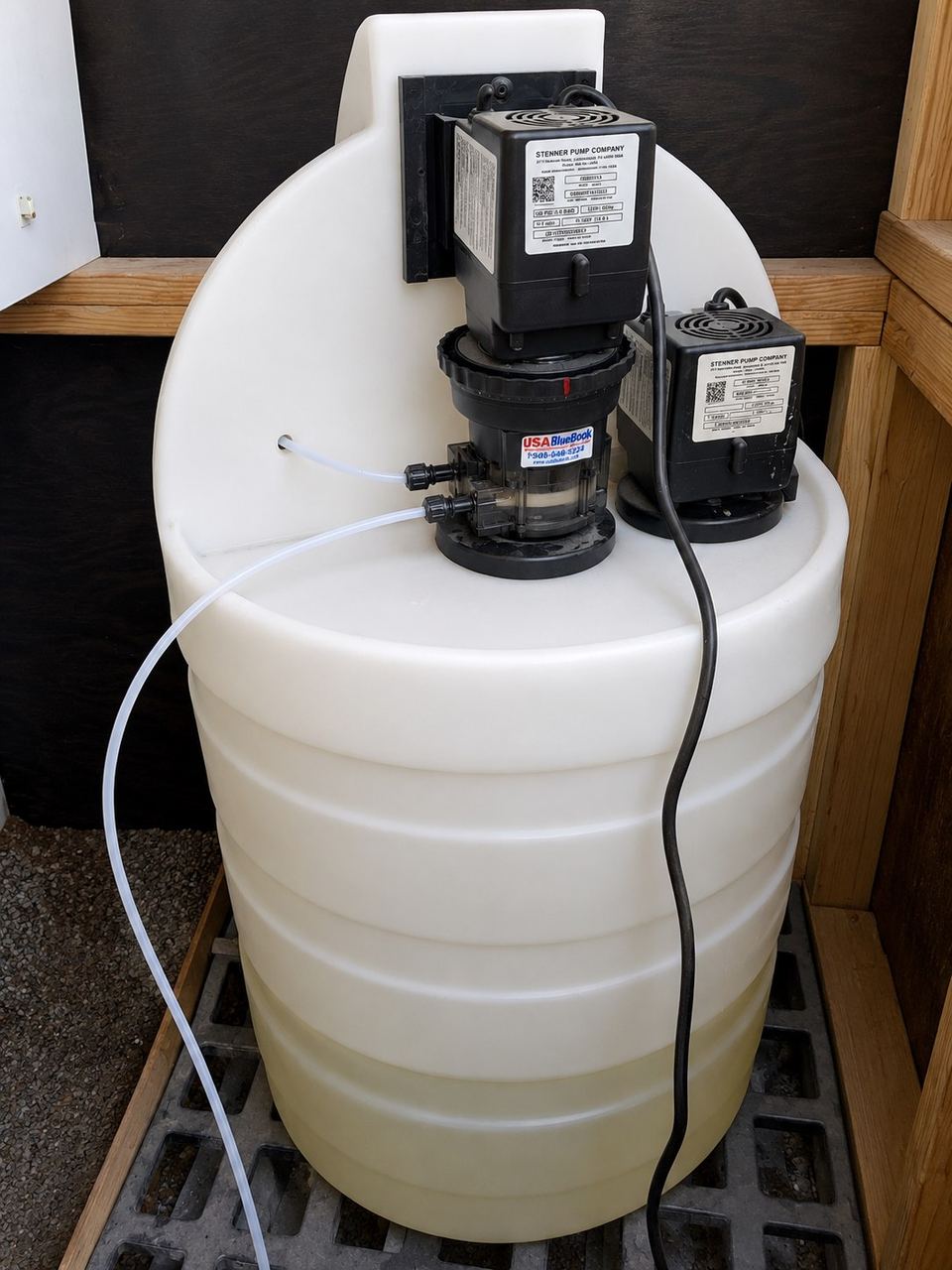
Peristaltic pumps meter chemical by squeezing a flexible tube with rotating rollers. This guide covers operation, tube selection, calibration, maintenance, and troubleshooting for drinking water operators.
WOH Organic Contaminant Sampling Guide
Guide for collecting VOC and SOC samples at drinking water system entry points, covering bottle types, preservation, hold times, and critical differences in sampling technique between the two contaminant classes.
WOH Operator Math Packet V2
Math resource covering arithmetic, unit conversions, chemical dosage formulas, pressure, detention time, pump calibration, and lift-station volume calculations. Essential prep for water and wastewater operator certification exams.
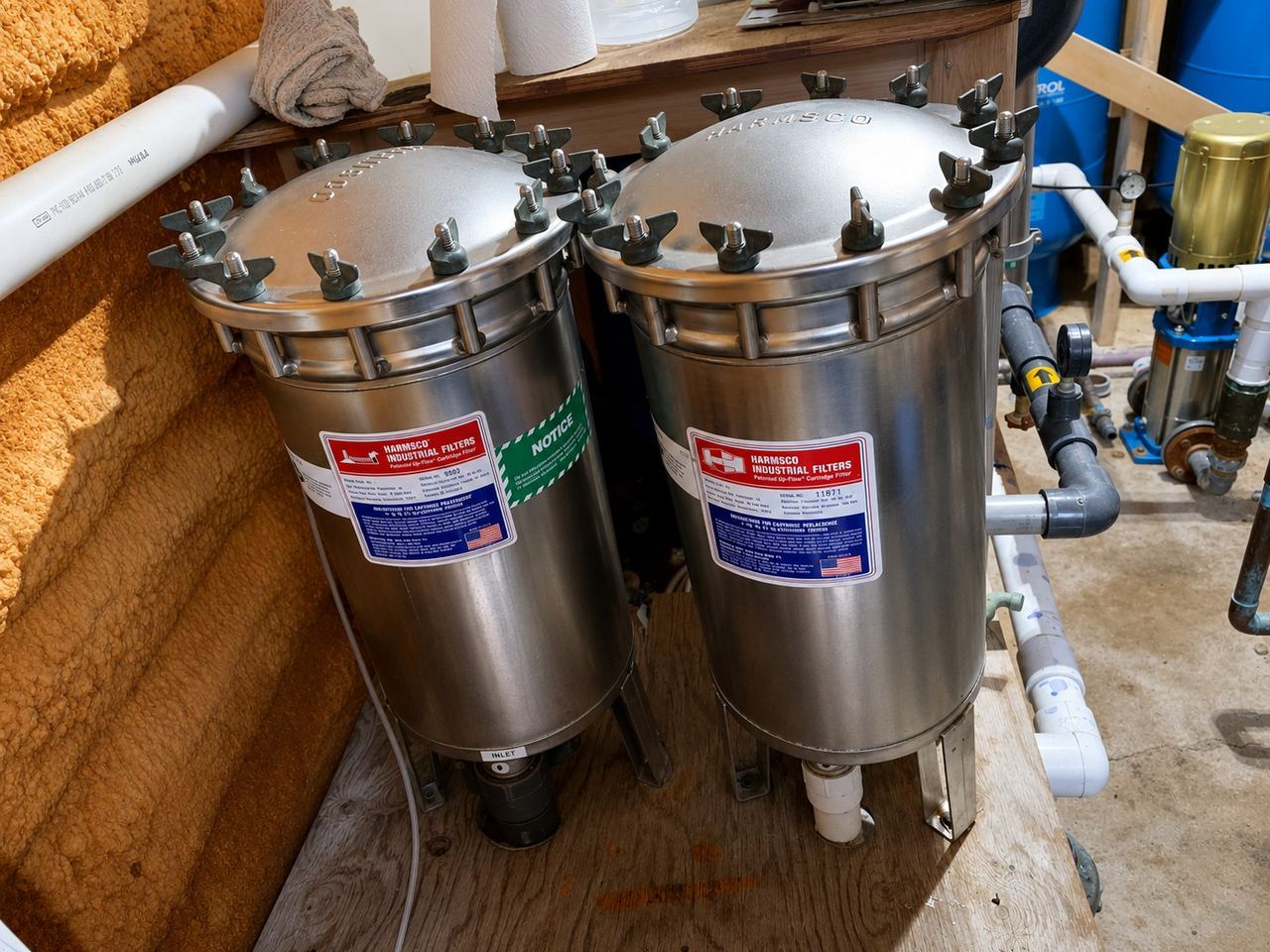
WOH Nitrate Sample Collection Guide
This guide covers nitrate monitoring requirements for small and medium drinking water systems under 40 CFR 141.23, including sampling locations, bottle types, collection procedures, hold times, and how to avoid errors that invalidate results.
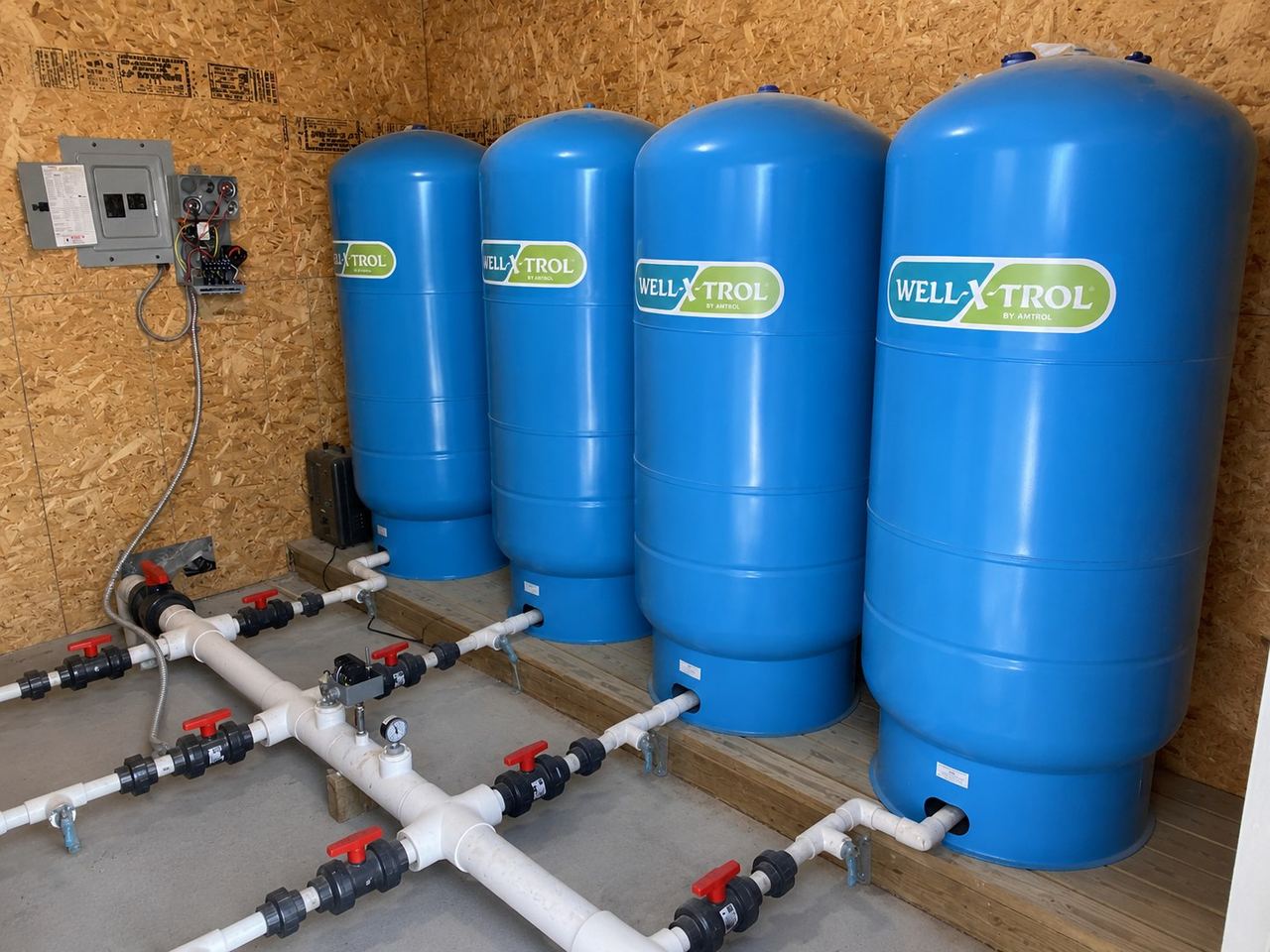
WOH Lead Copper Sample Siting Plan Guide
A water system must develop and maintain a Lead & Copper Sample Siting Plan that identifies high-risk tap sampling locations based on service line material and plumbing type, as required by the Lead and Copper Rule Revisions (LCRR). This guide covers service line inventory, tier classification, site selection, and regulatory compliance for community and non-transient non-community systems.
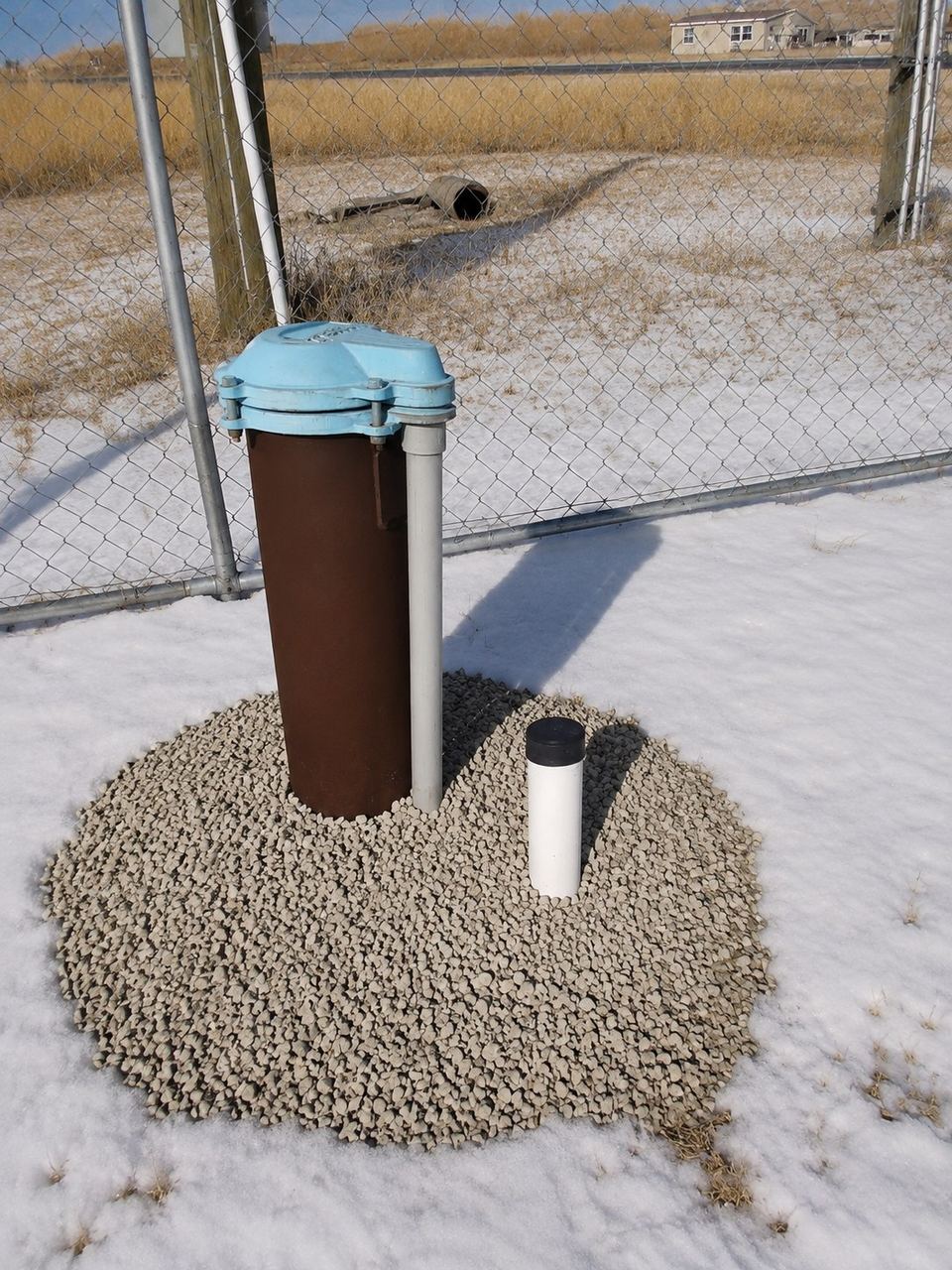
WOH Lead Copper Inorganic Sampling Guide
Guidance for collecting inorganic chemical (IOC) and lead/copper samples at entry points and customer taps under federal drinking water regulations. Covers bottle types, hold times, flushing protocols, and the critical difference that lead/copper samples must never be flushed before collection.
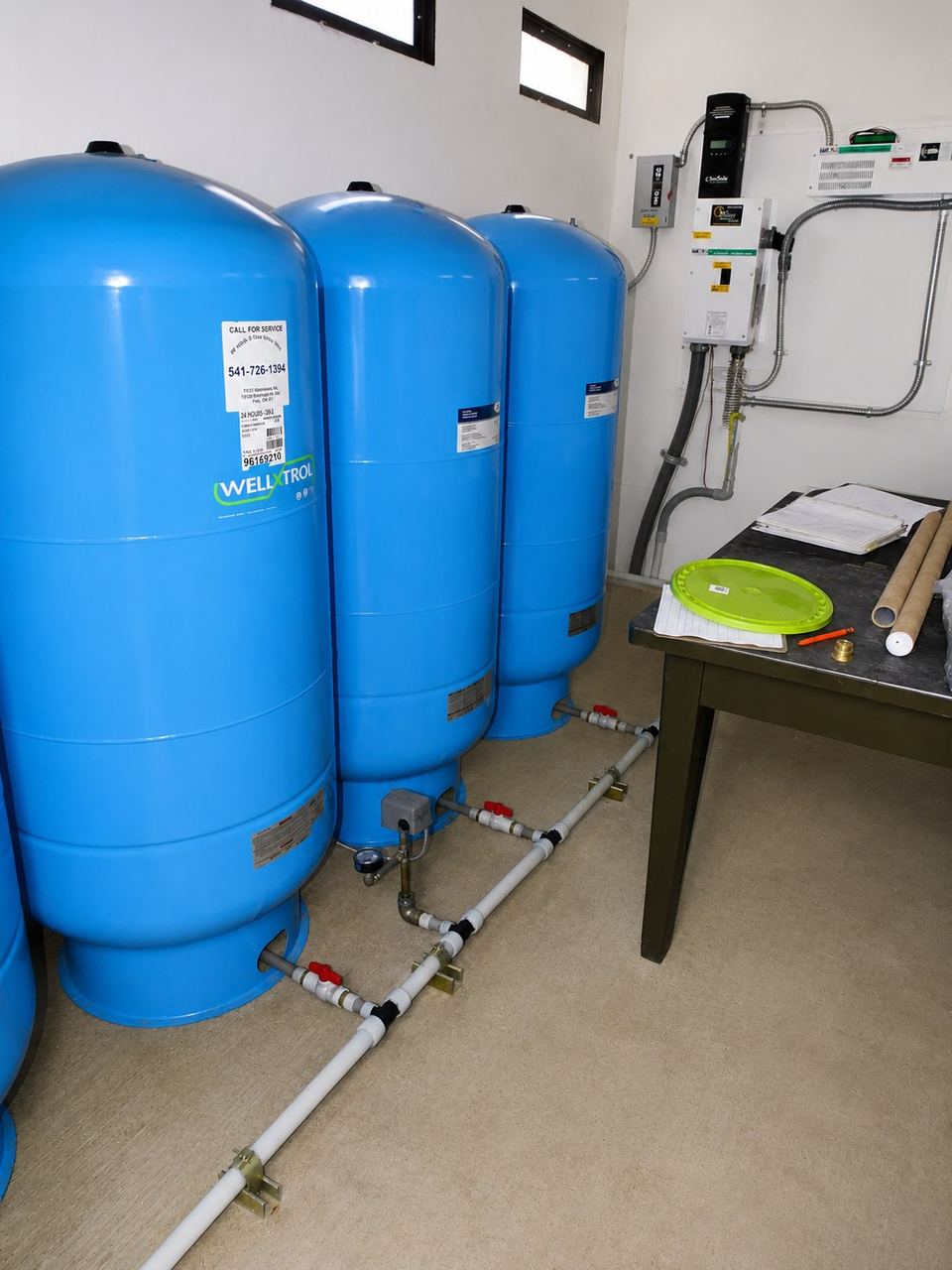
WOH Hydropneumatic Tank Guide
Hydropneumatic tanks store water under compressed air to maintain system pressure between pump cycles and reduce pump short-cycling. This guide covers tank types, pressure settings, maintenance, and troubleshooting for drinking water operators.
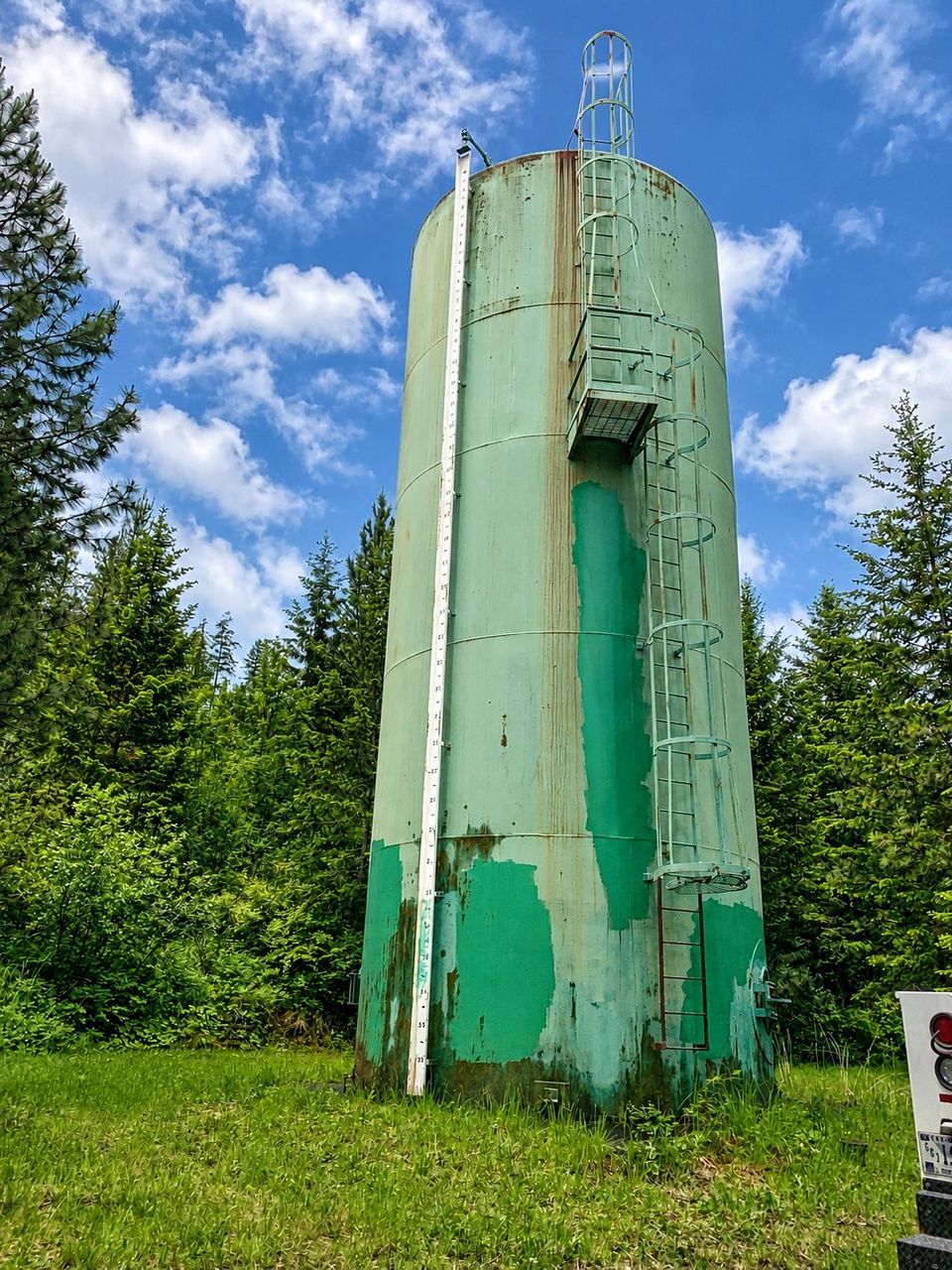
WOH Gravity Tank Guide
Gravity tanks store treated water at elevation to create system pressure naturally—about 0.43 psi per foot of height. This guide covers tank components, level control setpoints, maintenance schedules, and troubleshooting for operators.
WOH Drinking Water Standards Reference
EPA-regulated drinking water standards reference covering all primary and secondary contaminants, MCLs, MCLGs, health effects, and common sources. Operators use this to verify compliance limits and understand contaminant sources.
WOH Diaphragm Metering Pump Guide
Diaphragm metering pumps deliver precise, repeatable chemical doses by using a flexible diaphragm to isolate chemical from the motor. This guide covers operation, calibration, maintenance, and troubleshooting for drinking water system operators.
WOH DBP Sampling Guide
DBP sampling guide for chlorinated/chloraminated systems covers Stage 1 & 2 DBPR compliance requirements, including TTHM and HAA5 sampling protocols, monitoring location selection, frequency, bottle handling, and common collection errors that invalidate results.
WOH DBP Sample Siting Plan Guide
This guide explains how to identify, document, and maintain DBP monitoring locations under the Stage 2 Disinfectants and Disinfection Byproducts Rule. It covers the IDSE process, location selection criteria, and required plan elements for community water systems and non-transient non-community water systems that add disinfectants.
WOH Consulting Engineer Guide
Guide for water system operators and boards on selecting a consulting engineer, staying involved in design and construction phases, and ensuring facilities are built to support reliable operation and maintenance by their teams.
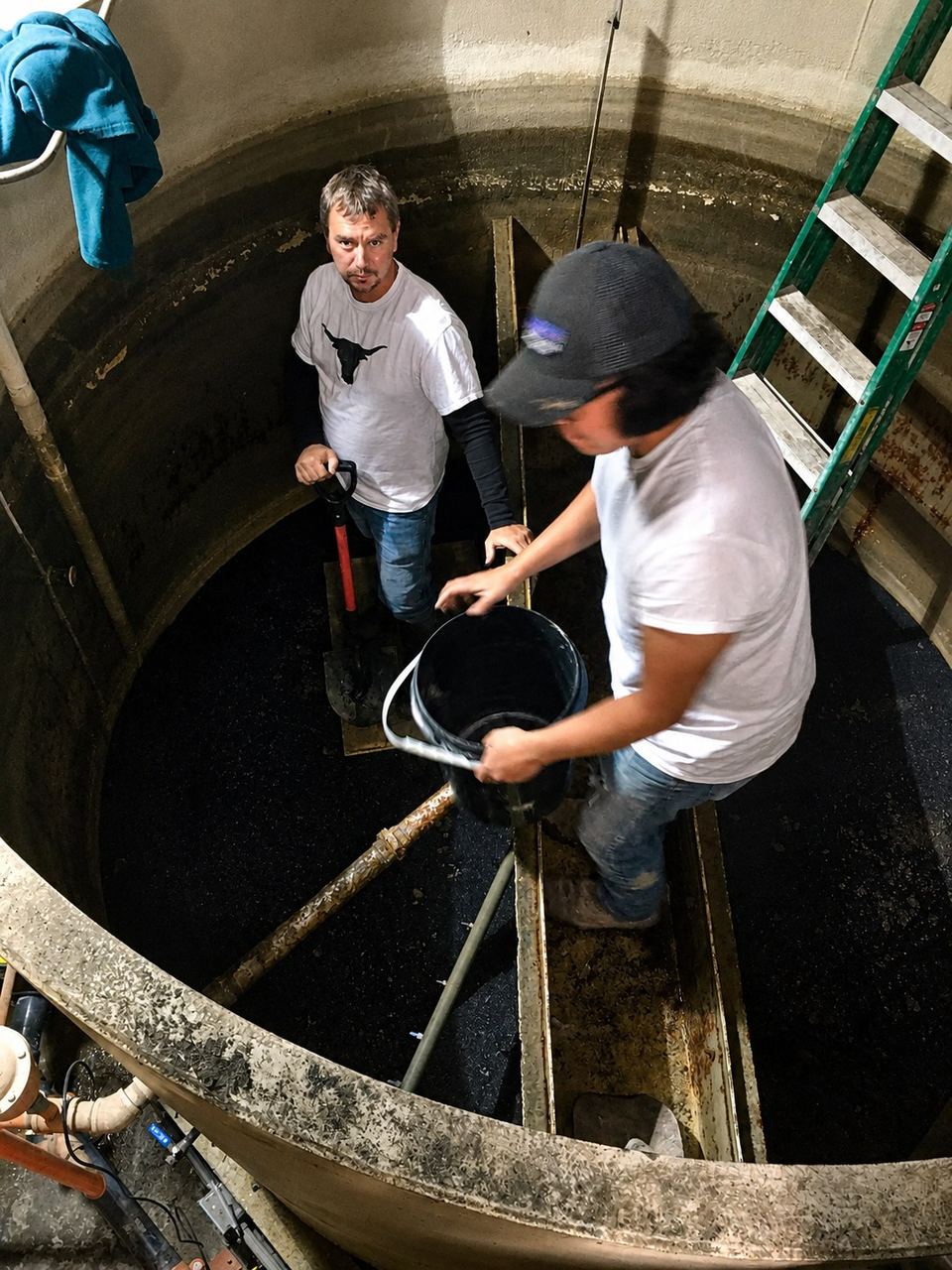
WOH Confined Space Guide
OSHA 1910.146 requires drinking water operators to follow strict procedures before entering confined spaces like manholes, wet wells, and storage tanks. This guide covers identifying permit-required spaces, atmospheric testing, trained personnel, rescue provisions, and compliance steps to prevent deaths from invisible hazards like hydrogen sulfide and oxygen deficiency.
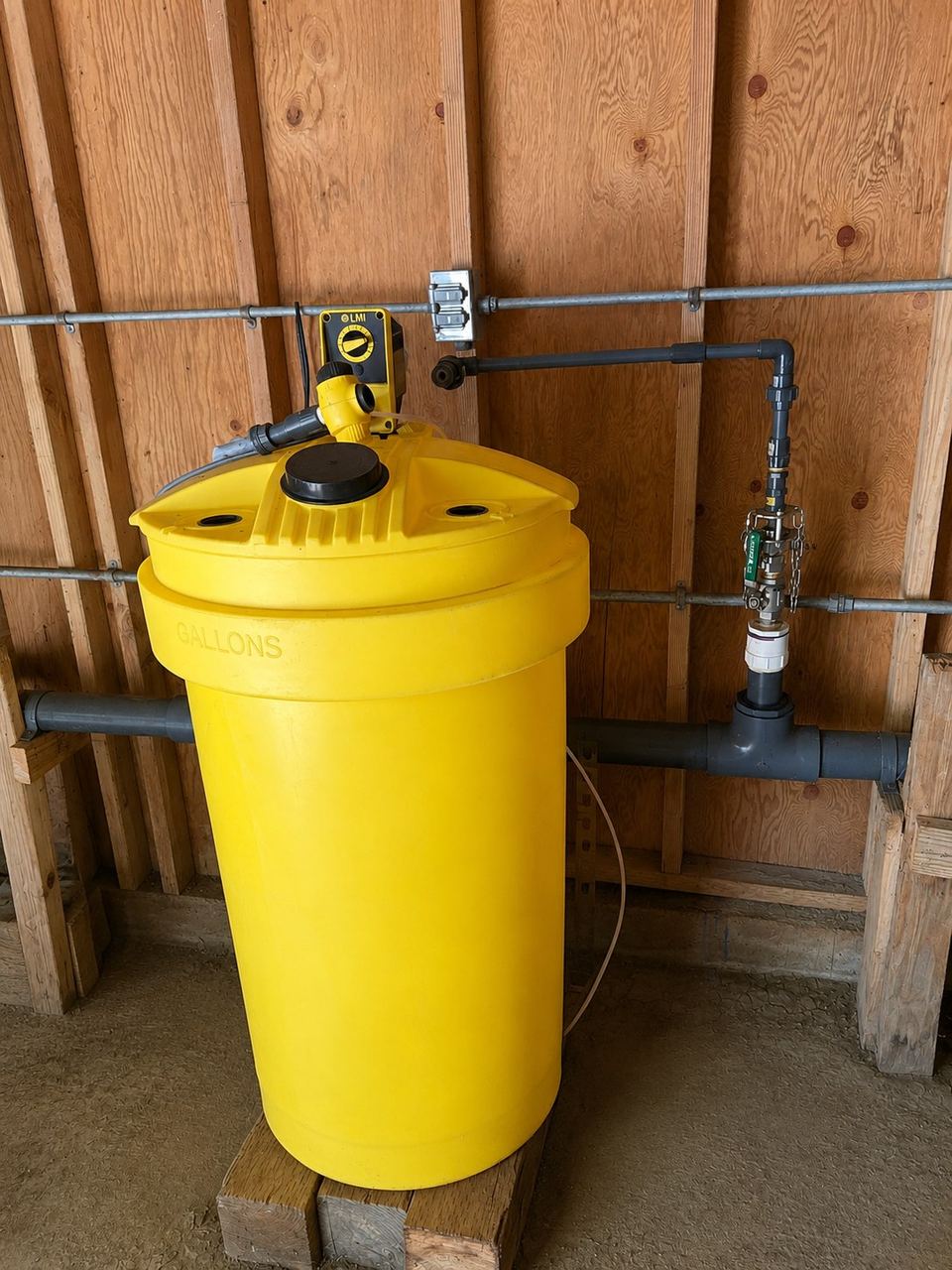
WOH Chemical Concentrations Reference
Reference table of concentration and specific gravity values for common drinking water treatment chemicals, plus unit conversions and dosage calculation methods needed for accurate chemical feed pump sizing and day tank management.